
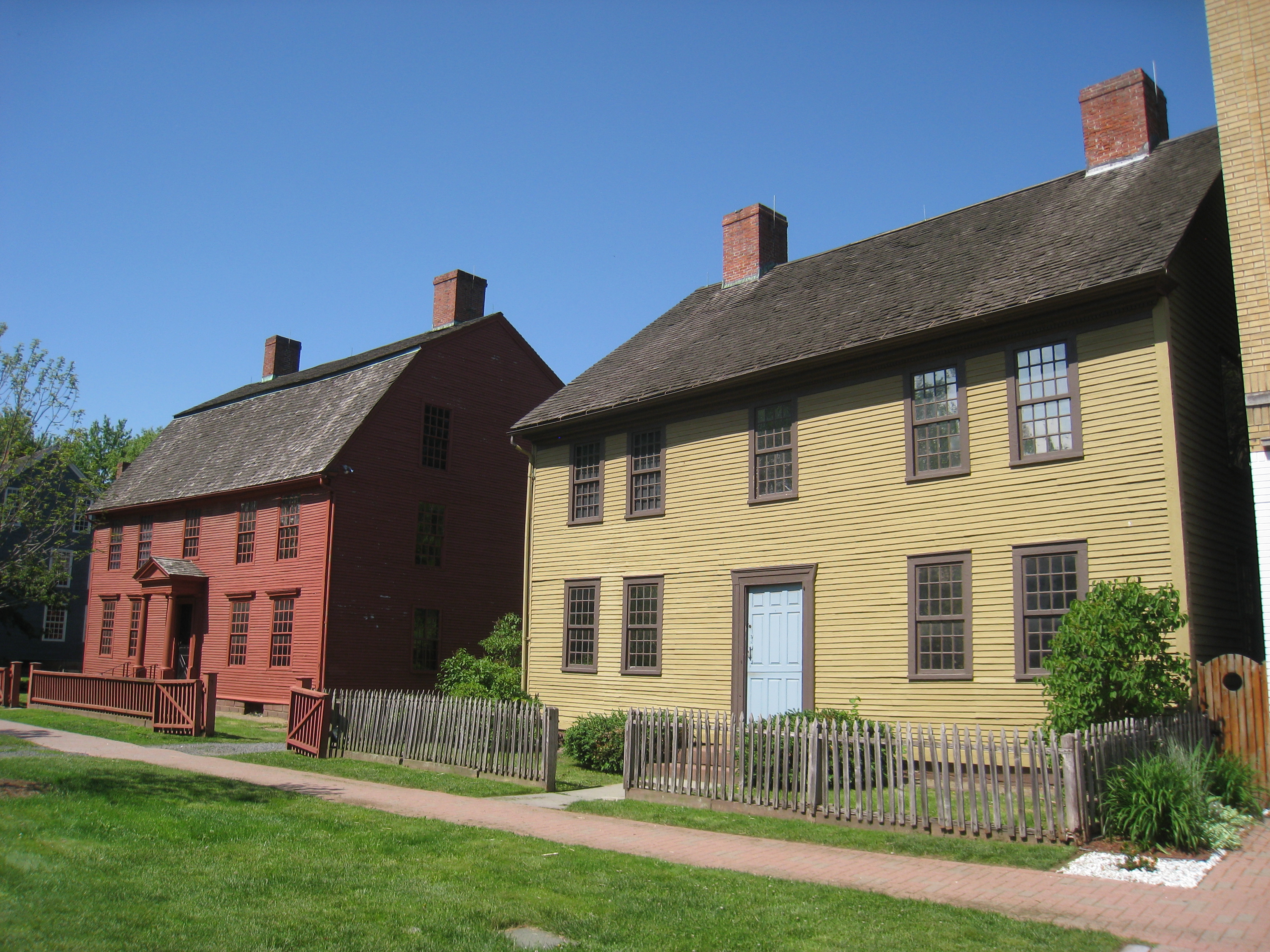
Get set to be blown away. The 2026 Annual Conference runs Friday, October 2 – Monday, October 5 in Manchester, Connecticut, hosted by Bob Van Dyke and the Connecticut Valley School of Woodworking — and it promises to be one of the best yet.
It's the one weekend a year this group of makers, curators, and collections is in the same place. You'll learn from:
- Steve Latta — furniture maker, educator, and longtime Fine Woodworking contributor, known for Federal inlay
- Bill Pavlak — Master Cabinetmaker at Colonial Williamsburg
- Steve Brown — longtime Cabinet & Furniture Making instructor at the North Bennet Street School
- Martin O'Brien — Winston-Salem, NC cabinetmaker and conservator, with extensive work on the MESDA collection
- Joan Parcher — historic hardware expert, identifying, restoring, and even casting brass hardware for period furniture
- Alyce Perry Englund — Decorative Arts Curator at the Metropolitan Museum of Art, and a leading authority on American japanned furniture
- Bob Behnke — Technical Service Manager at Franklin Adhesives, makers of Titebond
The Cartouche Award dinner Friday evening, at the historic Webb-Deane-Stevens House & Barn in Wethersfield, honors 2026 recipient Tim Killen.
Two optional bus trips bracket the weekend — a Friday tour of the Yale Furniture Study and Yale University Art Gallery (limited to 60), and a full Monday in Providence with the Stanley Weiss Collection and the John Brown House (limited to 50). Both are first-come and tend to fill.
Schedule of Events
FridayOctober 2
The conference opens Friday evening at the historic Webb Deane Stevens House & Barn in Wethersfield, Connecticut — about an eight-minute drive from the school. Join us for happy hour, a buffet dinner, a welcome, and a presentation by the 2026 Cartouche Award recipient, Tim Killen.
An optional daytime tour to the Yale Furniture Study is offered on Friday — see Optional Activities below.
SaturdayOctober 3
Saturday is a full day of presentations and rotations at the school, beginning with a welcome and an overview of the weekend.
Steve Brown — Making the Most of a Museum Furniture Measuring Trip
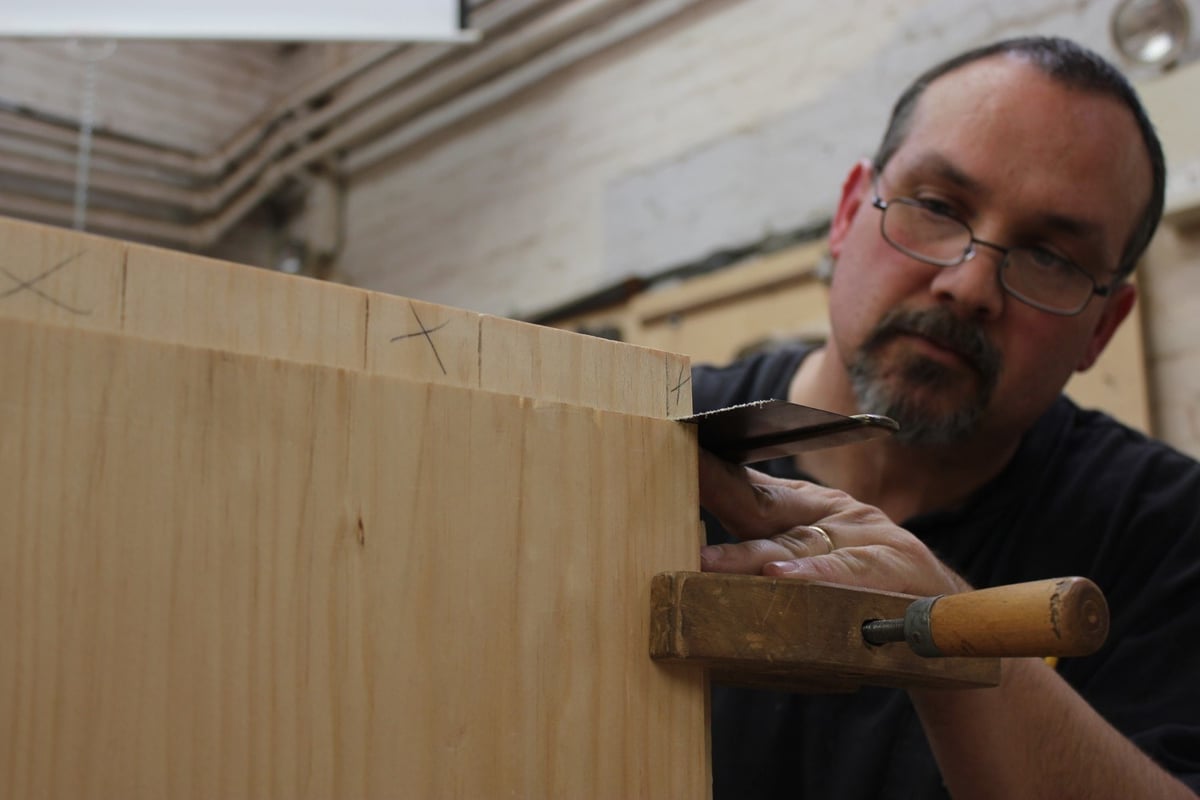
Steve Brown opens Saturday with an hour on "Making the Most of a Museum Furniture Measuring Trip" — the all-important details for gathering everything you need to reproduce a period piece. He demonstrates hands-on techniques for accurately tracing cabriole legs, period moldings, pediments, and other carvings, and emphasizes the use of checklists — how many times have you gotten home from measuring a piece only to realize you forgot to record its height? Perhaps most important of all is museum etiquette: you are imposing on a busy curator's time, so conduct yourself in a way that ensures you are invited back.
Through the middle of the day, three rotating presentations run as small-group sessions with this year's rotation presenters — Steve Latta, Bill Pavlak, and Martin O'Brien.
Steve Latta — Table Construction: A Surgical Approach
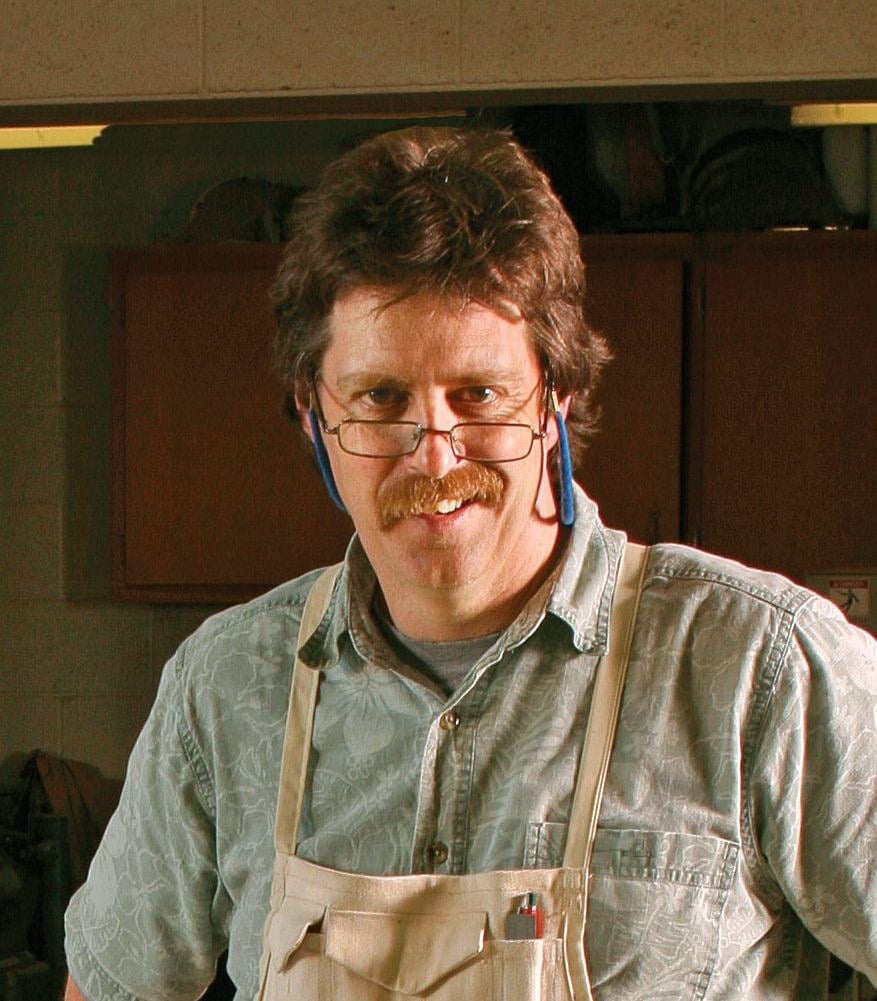
Steve Latta brings many years of cabinetmaking and teaching experience to the conference. His topic is "Table Construction: A Surgical Approach" — for Steve, it's all about efficiency in joinery and technique.
Bill Pavlak — Adjustable Writing Tables of the 18th Century
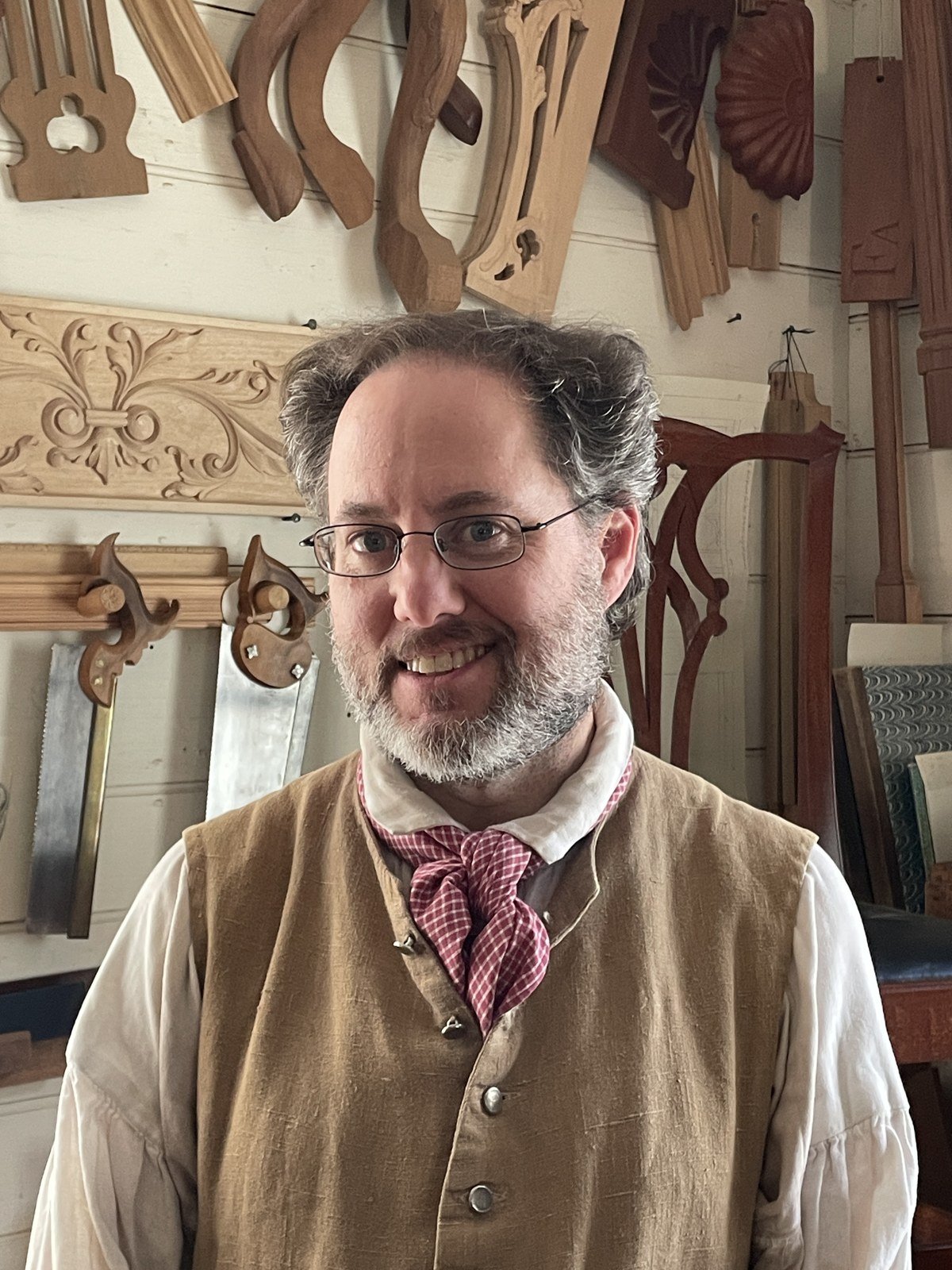
Bill Pavlak, Master Cabinetmaker at Colonial Williamsburg, dives into the unique construction problems found in 18th-century adjustable writing tables. The complexity of the joinery required to accommodate the moving parts of these tables offers challenges that Bill demonstrates with hand tools.
Martin O'Brien — Conservation Techniques from the MESDA Collection
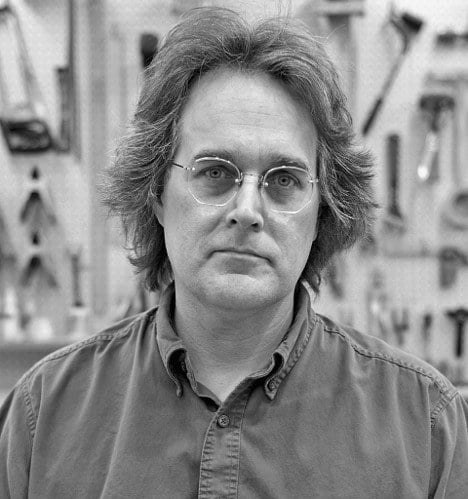
Martin O'Brien, a Winston-Salem, NC cabinetmaker and conservator, has worked extensively on conserving the MESDA furniture collection and demonstrates several of the unique conservation techniques he has developed over the years. Get set for some imaginative and exceptional conservation and restoration work.
Joan Parcher — Identifying, Restoring, and Casting Period Hardware
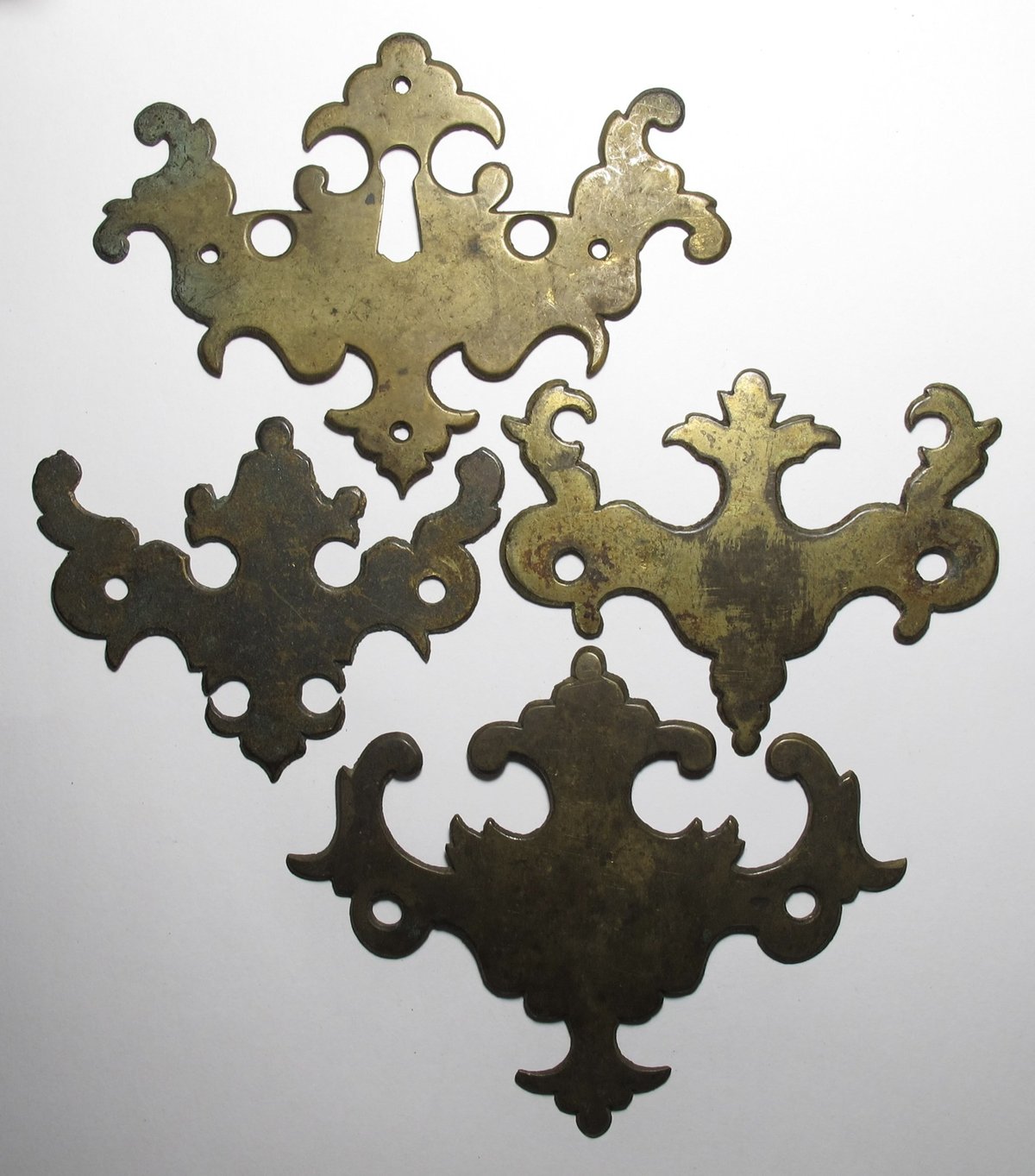
To break up the afternoon (and give the three rotation presenters a chance to catch their breath), historic hardware expert Joan Parcher presents a look into her world of identifying, restoring, repairing, and sometimes even casting brass hardware for period furniture. Joan will expand your awareness, knowledge, and horizons of period furniture hardware.
The day closes with an informal happy hour at the school. Saturday dinner is on your own; an optional group dinner at Trattoria Tuscana, a nearby Italian restaurant, is offered for those who'd like to sign up — see Optional Activities below.
SundayOctober 4
Alyce Perry Englund — Beasts and Angels: American Japanned Furniture
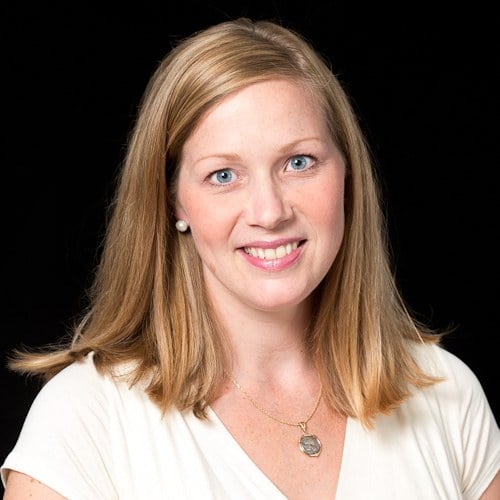
New York Metropolitan Museum of Art Decorative Arts Curator Alyce Perry Englund starts the day with her presentation "Beasts and Angels: American Japanned Furniture." Alyce is one of the leading authorities on American japanned furniture, so this should be an interesting and informative lecture.
Bob Behnke — The Finer Points of Glue
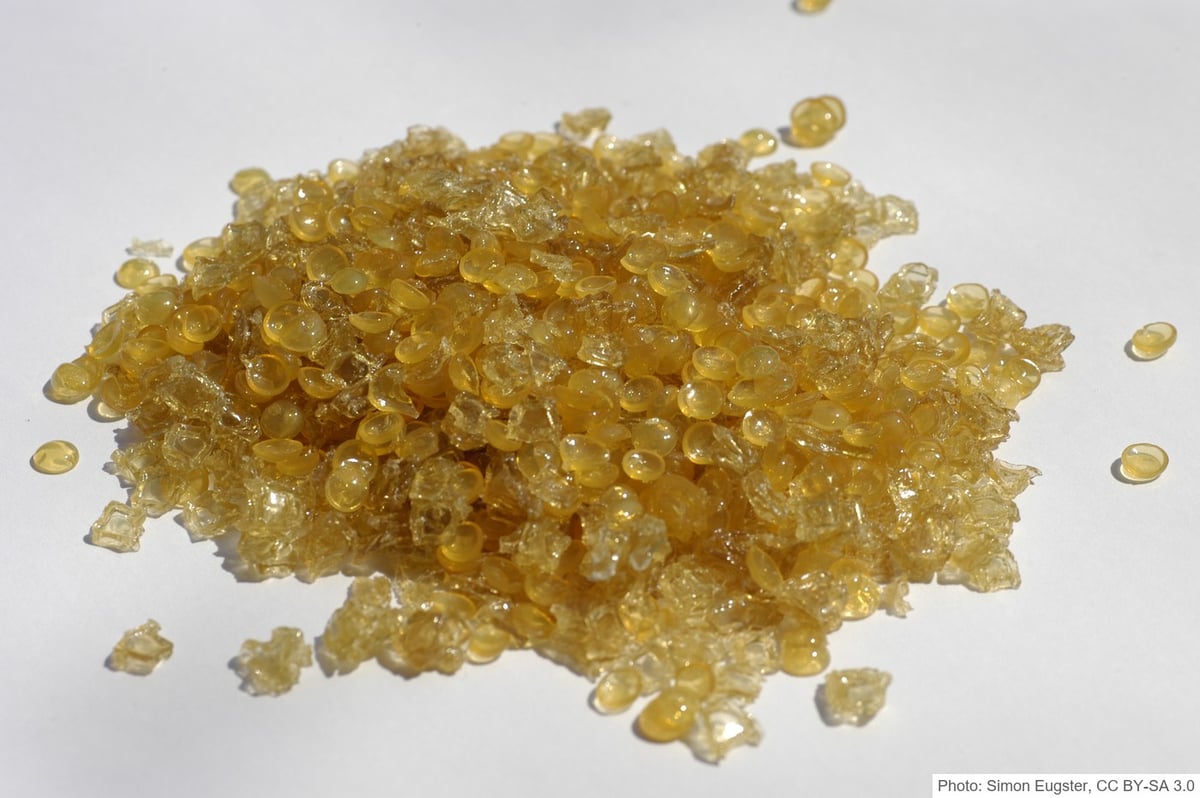
Bob Behnke, Technical Service Manager for Franklin Adhesives — the maker of Titebond — gets into the finer points of glue: the properties of different adhesives, how they work, what causes them to fail, and whatever questions the room brings. Plan on an hour and a half that goes by fast.
A pizza buffet lunch follows before the final session.
Steve Latta — Building a Federal-Style Card Table
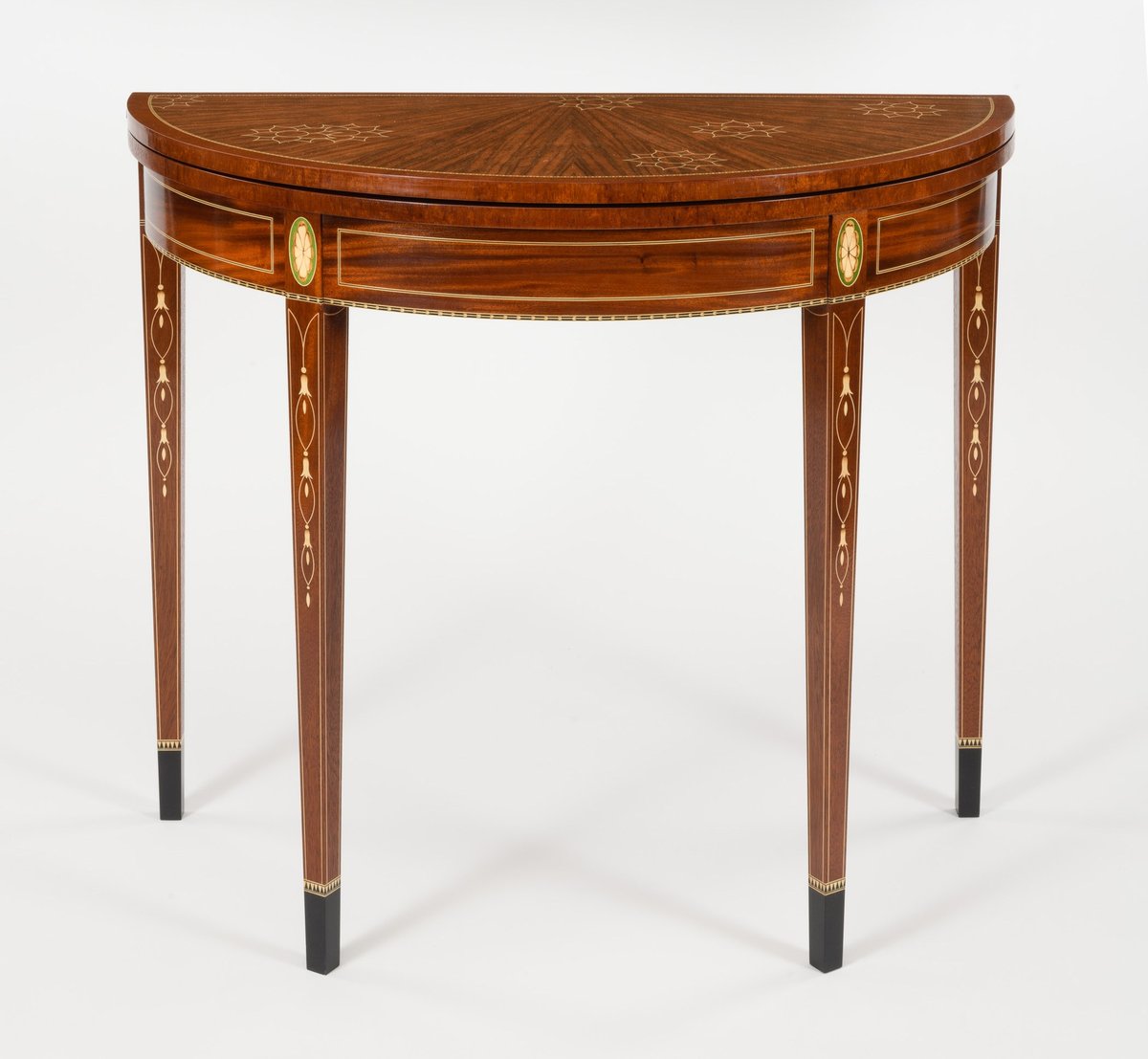
After a pizza buffet lunch, Steve Latta closes the conference with a presentation on the intricacies and pitfalls of building a Federal-style card table.
The conference officially ends after Steve's presentation.
MondayOctober 5
Monday's optional program is a full-day bus trip to Providence, Rhode Island — see Optional Activities below.
Optional Activities
FridayOctober 2
Yale Furniture Study & Yale University Art Gallery
Friday's optional bus trip visits the Yale Furniture Study — now in its new home in West Haven, a world away from the old basement study on York Street. Participants split into two groups and spend half the day at the Furniture Study, led by Furniture Study Manager Eric Litke and the Yale curatorial staff, and the other half downtown at the Yale University Art Gallery, whose American wing holds a remarkable collection of period furniture (try not to get too distracted by the Van Goghs and Renoirs on the way to it).
SaturdayOctober 3
Group dinner at Trattoria Tuscana; drinks extra
(At Capacity) Saturday dinner is on your own, but an informal group dinner has been arranged at Trattoria Tuscana, a popular Italian restaurant less than two miles from the school. Sign up and pay when you register for the conference; you'll choose from the dinner menu when you arrive.
MondayOctober 5
Providence, Rhode Island — Stanley Weiss Collection & John Brown House

Monday's optional program is a full day in Providence. We leave Manchester by bus for the Stanley Weiss Collection in North Providence — 10,000 square feet of some of the best American furniture anywhere, in the spirit of the old Yale Furniture Study — and the John Brown House in historic Providence. The group splits in half, with one half at the Weiss Collection in the morning and the John Brown House in the afternoon and the other half doing the reverse, so everyone sees both. More on the Weiss Collection at stanleyweiss.com.
For your guestsGuest Program
Friday Cartouche Award Banquet (guest seat)
A seat for your guest at the Friday-evening Cartouche Award Banquet. Your own banquet seat is included in your registration.
A museum weekend in Hartford
Running alongside the Saturday and Sunday sessions — three destinations, all an easy ten-minute drive from the school, so carpooling is easy. $65 covers admission to all three; lunch each day is on your own.
Saturday, October 3
- Wadsworth Atheneum, Hartford — a curator-led tour of the museum's 18th-century French porcelain, then time on your own in one of the Northeast's great art museums: European Baroque, ancient bronzes, French and American Impressionism, the Hudson River School, and a fine collection of early American furniture and decorative arts. Lunch in the museum café.
- Webb Deane Stevens Houses, Historic Wethersfield — a docent-led tour in one of Connecticut's oldest towns, where Washington planned the Yorktown campaign. Two special exhibitions are up this year: American Girlhood, fifty needlework pieces from 1750 to the 1850s on women's education and identity, and Remember the Ladies, portraits of women of the American Revolution.
Sunday, October 4
- The Mark Twain House, Hartford — a living-history tour of Twain's home (about 70 minutes): an actor in the role of a Clemens household member leads an immersive, slice-of-life visit, with moments a standard house tour doesn't offer. Lunch in the museum café.
Getting There
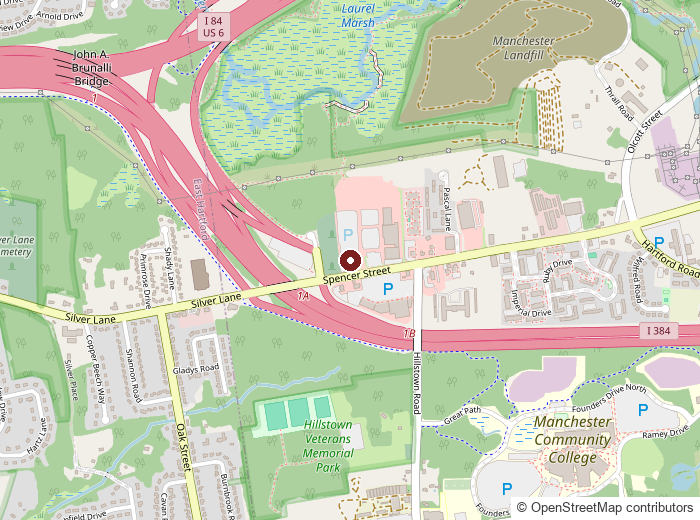
All main conference events take place at the Connecticut Valley School of Woodworking, 249 Spencer Street, Manchester, Connecticut — view on Google Maps.
Please note: Please park at the back of the building; the entrance to the school is also at the back.
The Friday-evening Cartouche dinner is held at the Webb Deane Stevens House & Barn in historic Wethersfield, about an eight-minute drive from the school.
Travel, parking, and lodging details will be posted with registration.
Questions?
Email registrar@sapfm.org with any questions about registration.
Lodging or program questions should be directed to Bob Van Dyke (bobvandyke52@gmail.com) or Dave Redlin (daveredlin@att.net).
Lodging Options
Discounted room blocks are held at three Manchester hotels under the group name Society of American Period Furniture Makers. Reserve early — the group rates are held only until the cutoff dates below.
Fairfield Inn & Suites Hartford-Manchester — $159 + tax (about $182.85/night)
121 Pavilions Dr, Manchester, CT 06042 · (860) 648-9796 · reserve by August 18
Book online (covers both the Fairfield and the Courtyard) or call the hotel.
Courtyard Hartford-Manchester — $165 + tax (about $189.75/night)
225 Slater Street, Manchester, CT 06042 · (860) 533-8484 · reserve by August 18
Use the same booking link or call the hotel.
Best Western Manchester — $139 + tax
20 Taylor Street, Manchester, CT 06042 · (860) 783-5600 · reserve by September 16
Book online, or call the hotel and identify yourself as part of the Society of American Period Furniture Makers.
Prices & Registration
Registration is open.
Non-member registration includes a one-year SAPFM Individual membership, so the difference between the two rates is simply the price of joining.
Can't come for the whole weekend? Saturday-only registration covers the Saturday sessions and lunch, and is offered at both the member and non-member rates. All four prices are listed below.
Tours, the group dinner and Guest Program activities are optional, and are chosen as you register.
| Event | Price |
|---|---|
| Member - full conference (Fri-Sun) Friday banquet, Saturday and Sunday sessions. October 2-4. |
$385 |
| Saturday only Saturday sessions and lunch, October 3. Open to members and non-members alike. |
$100 |
| Non-member - full conference (Fri-Sun) Friday banquet, Saturday and Sunday sessions, October 2-4, plus a one-year SAPFM Individual membership. |
$460 |
| Yale Furniture Study & Yale University Art Gallery Friday, October 2 · limited to 60 |
$90 |
| Group dinner at Trattoria Tuscana; drinks extra Saturday, October 3 |
$42 |
| Providence, Rhode Island — Stanley Weiss Collection & John Brown House Monday, October 5 · limited to 50 |
$75 |
| Friday Cartouche Award Banquet (guest seat) Guest Program |
$85 per guest |
| A museum weekend in Hartford Guest Program |
$65 per guest |