For anyone interested in American furniture — the tools, the people, the history.

You've found yourself here.
Stay.

The knowledge in this craft lives in scattered people, and not enough of it gets written down. SAPFM gathers both — at chapter meetings, at the annual conference, on the pages of the journal and the magazine — so the work sharpens with practice and the record of how American furniture is made, and was made, thickens behind us.

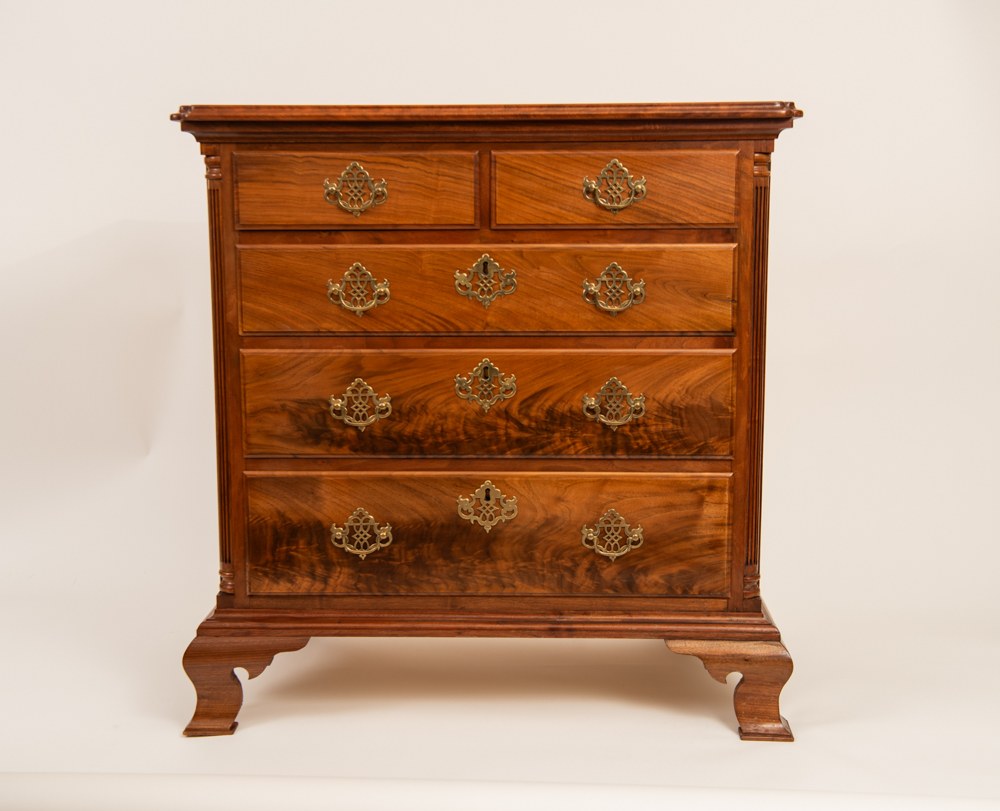
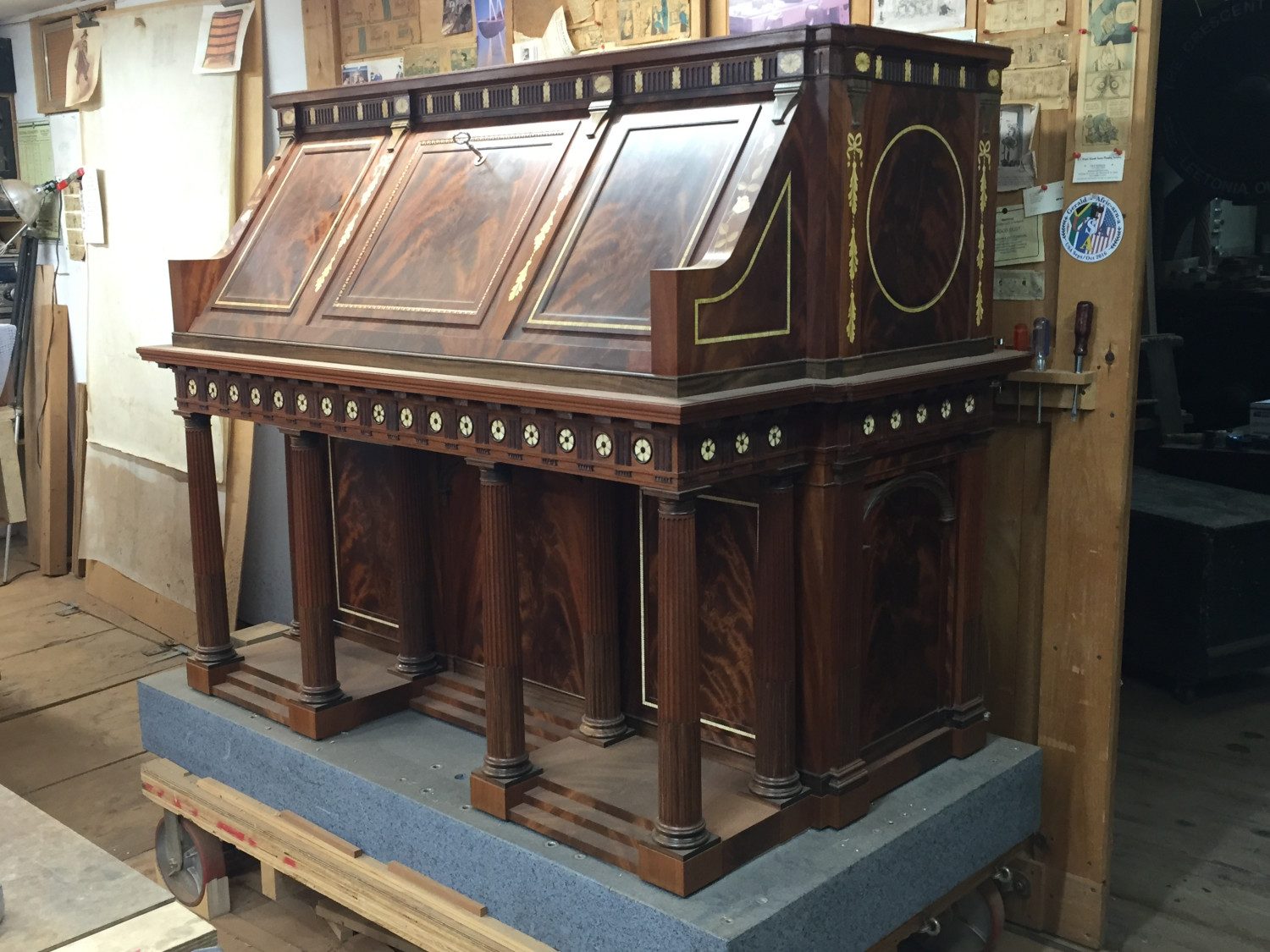
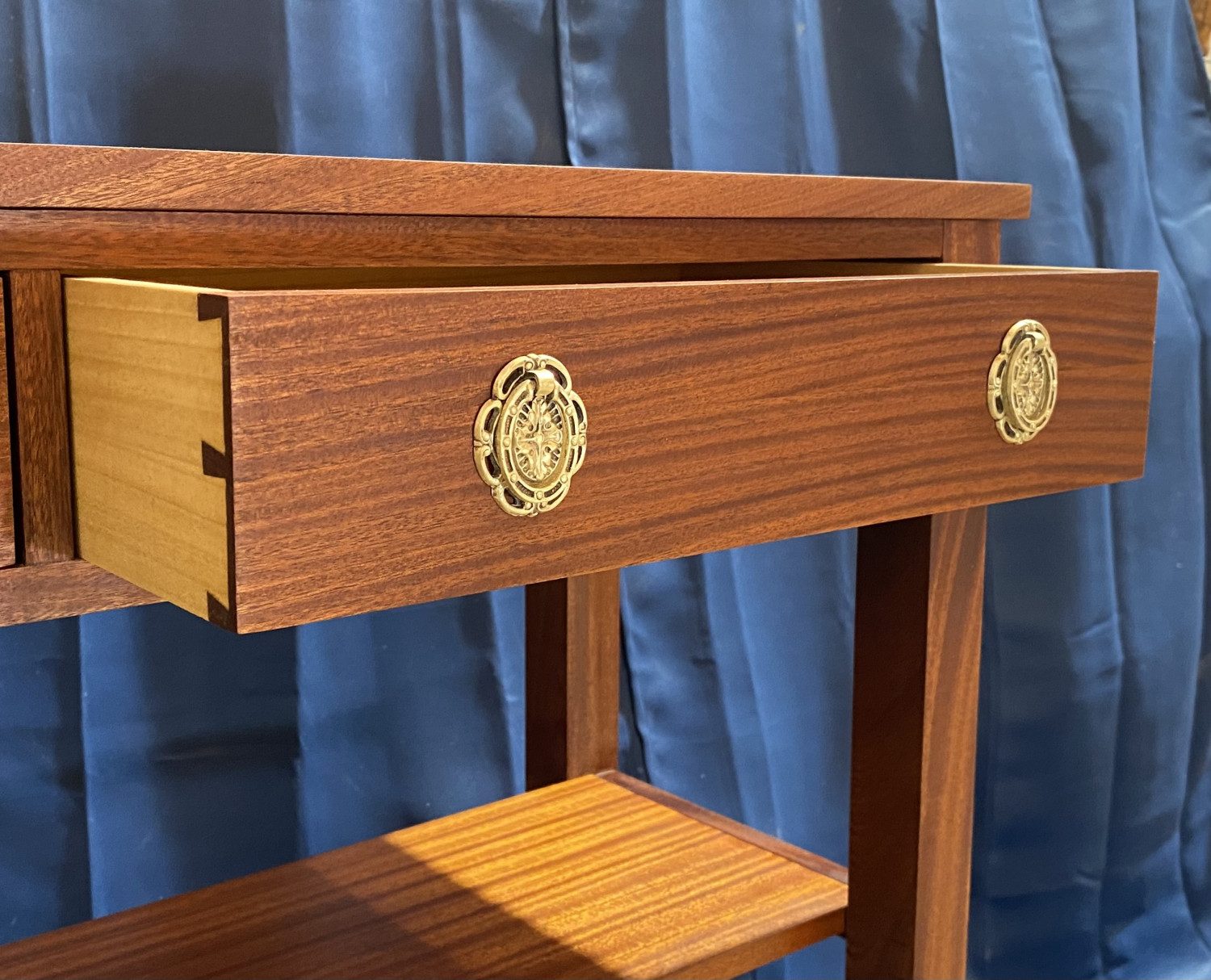
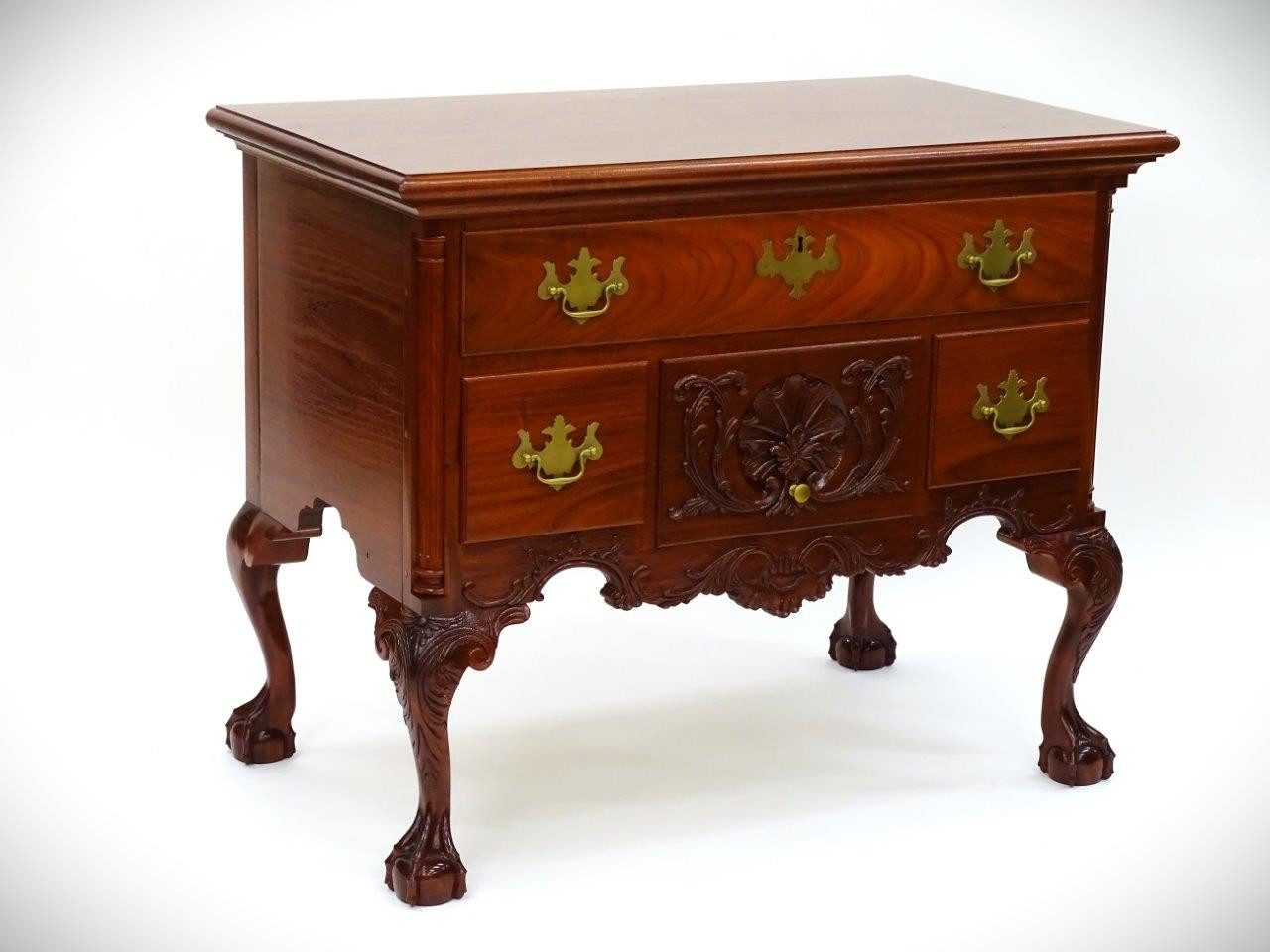
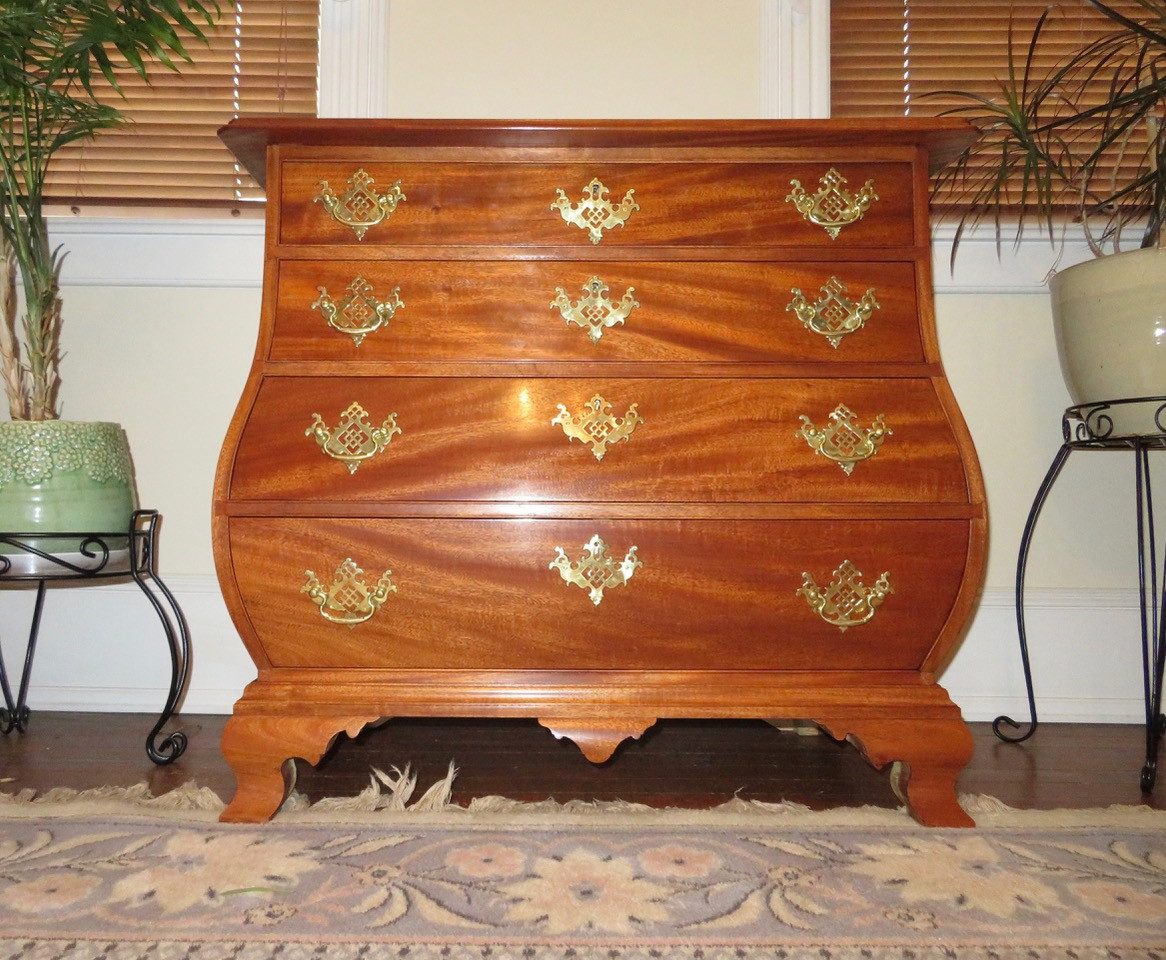
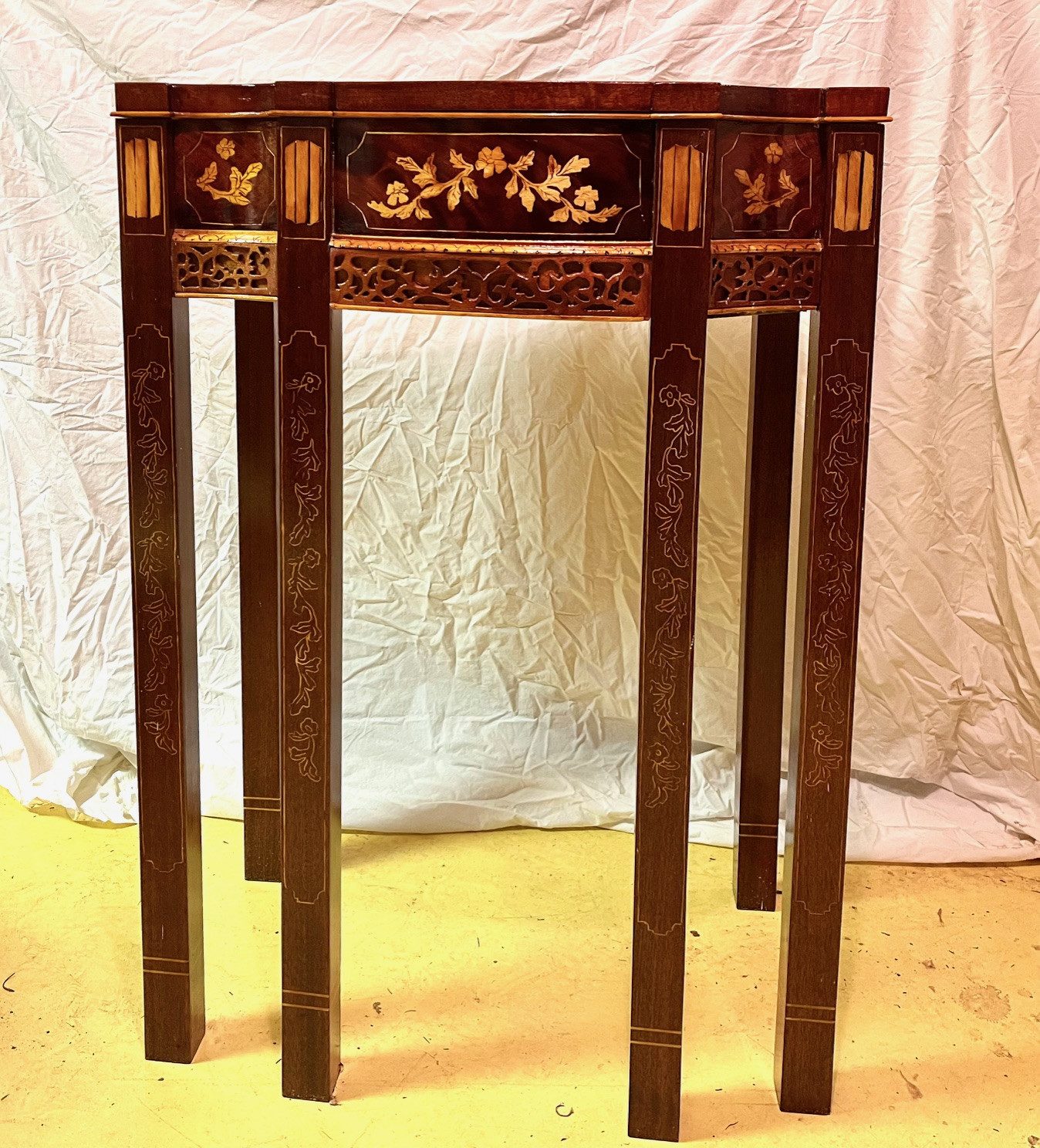
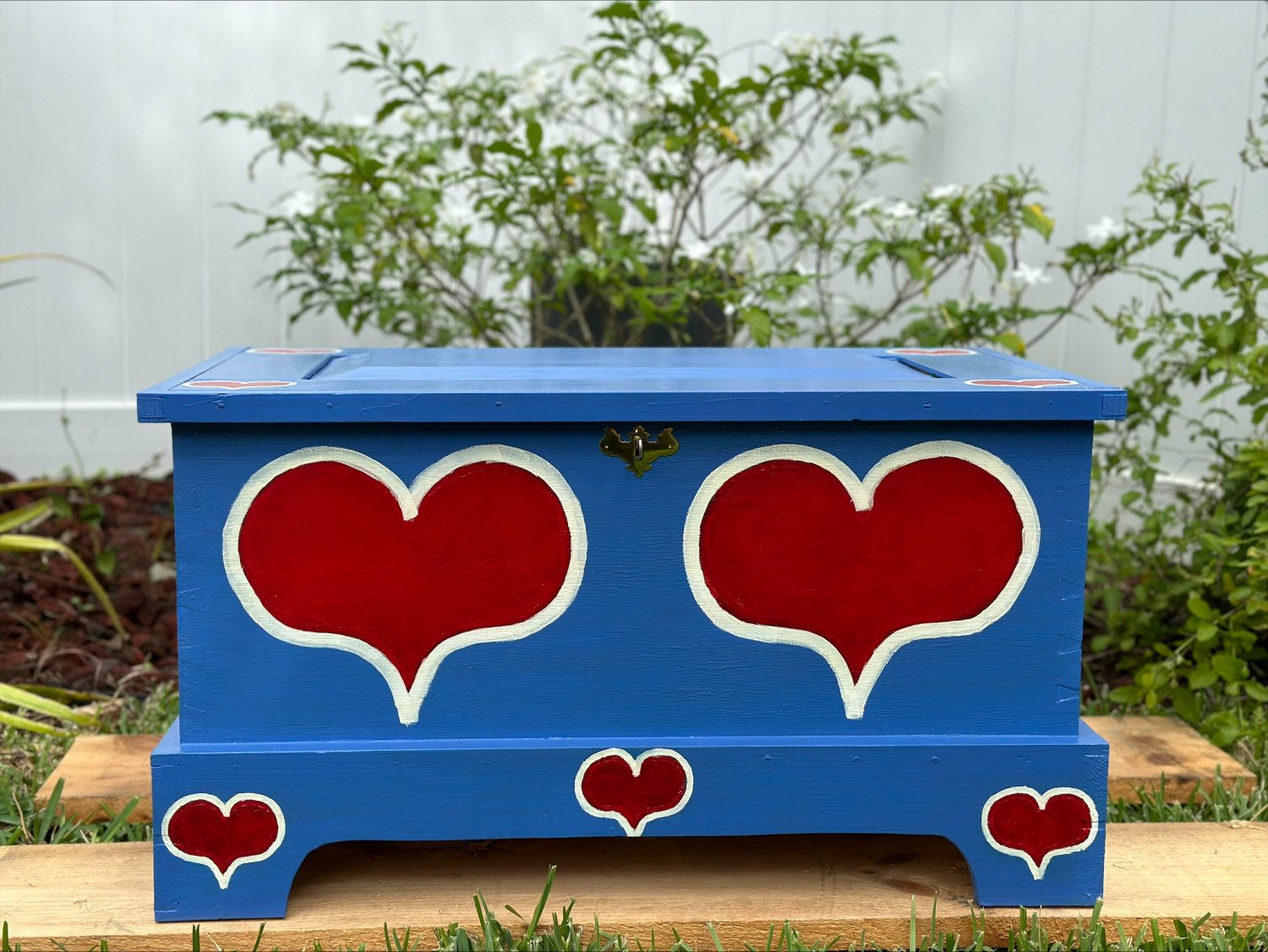
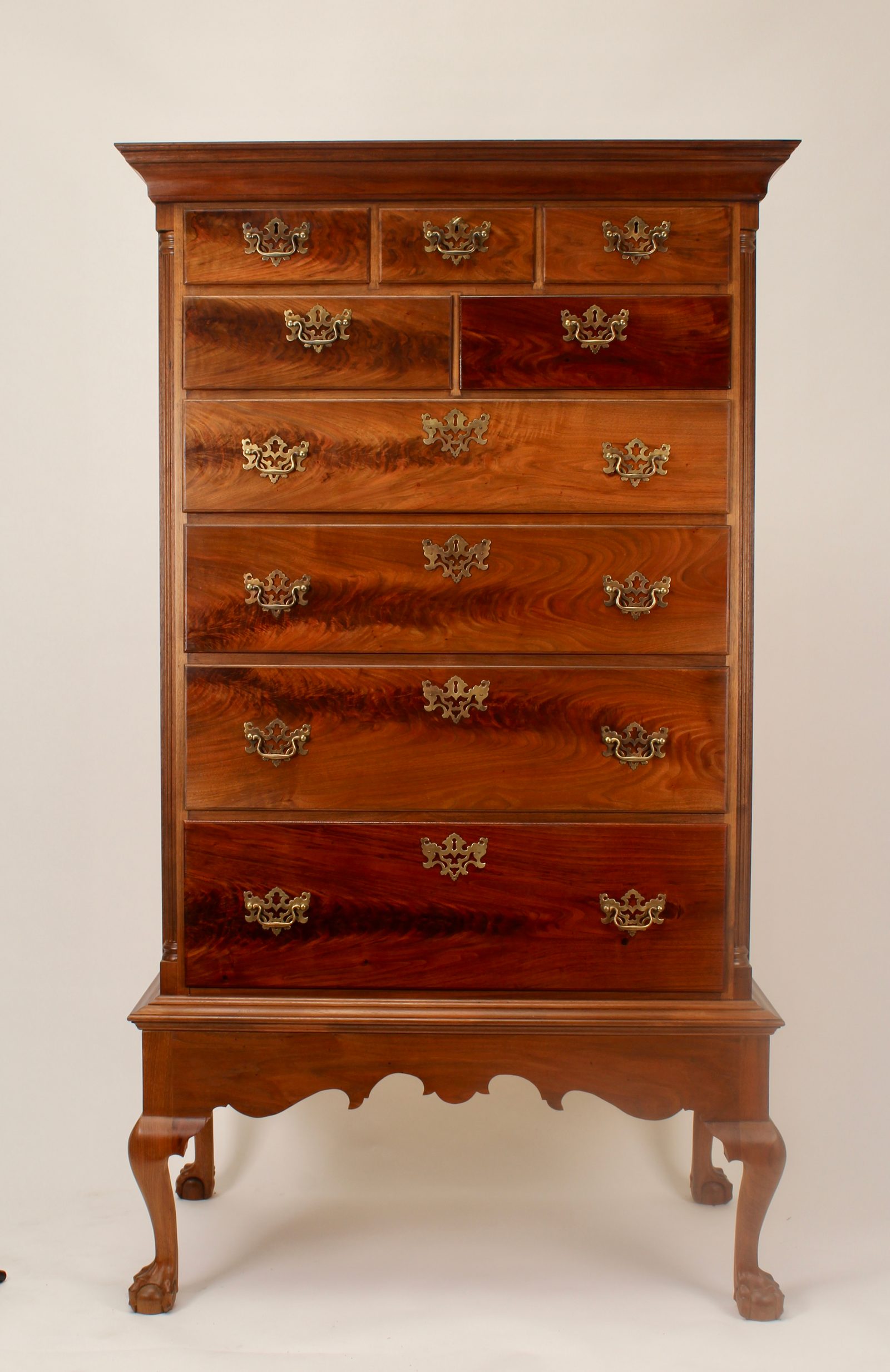
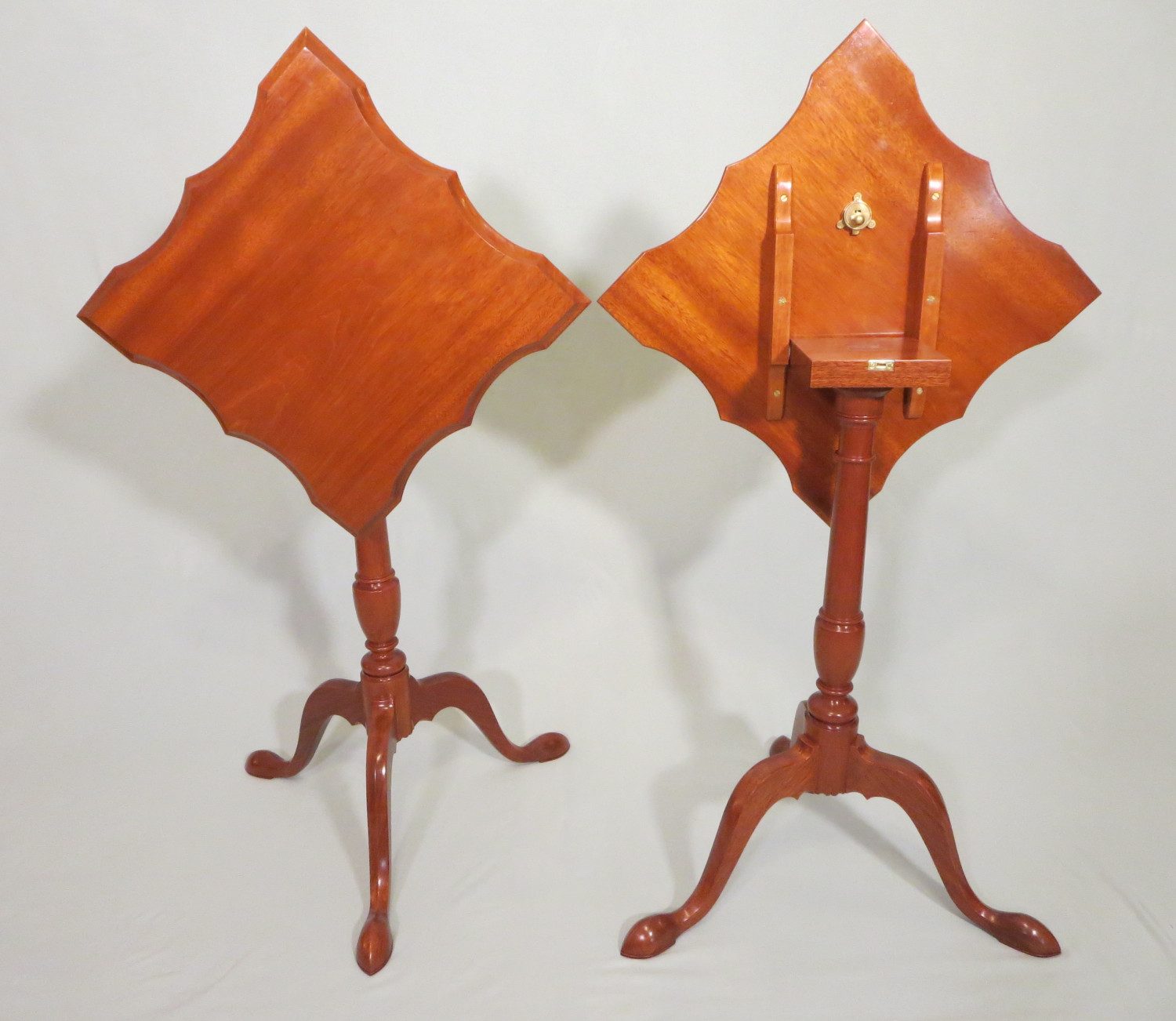
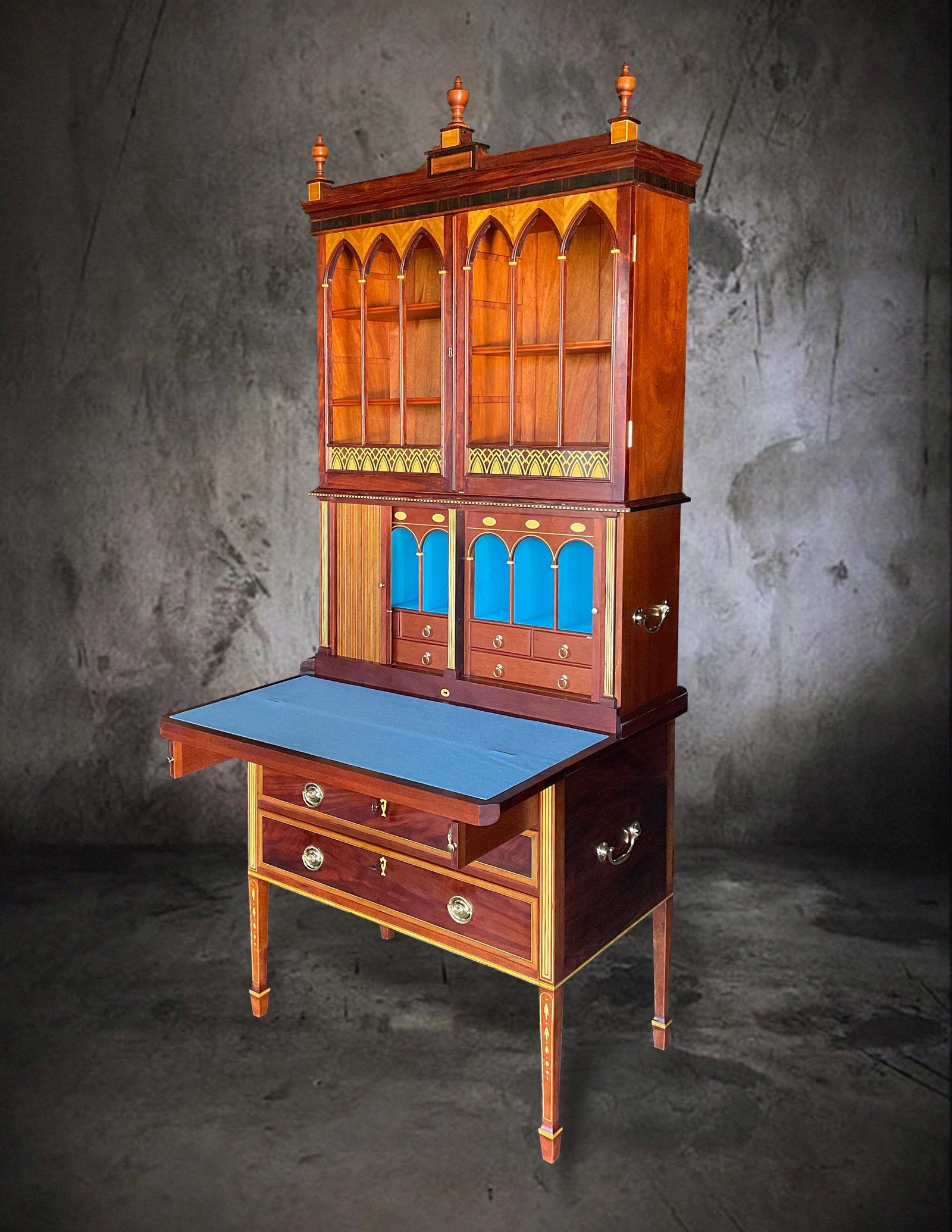
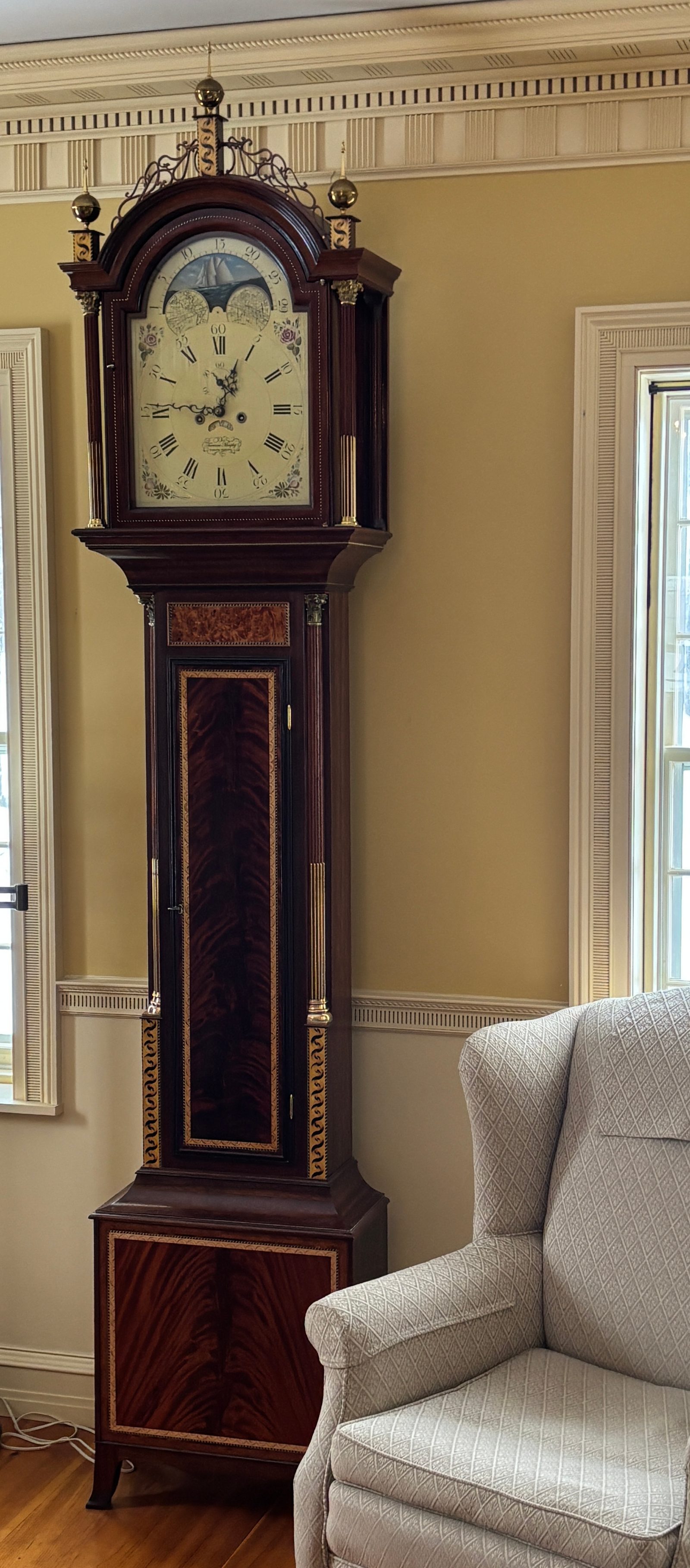
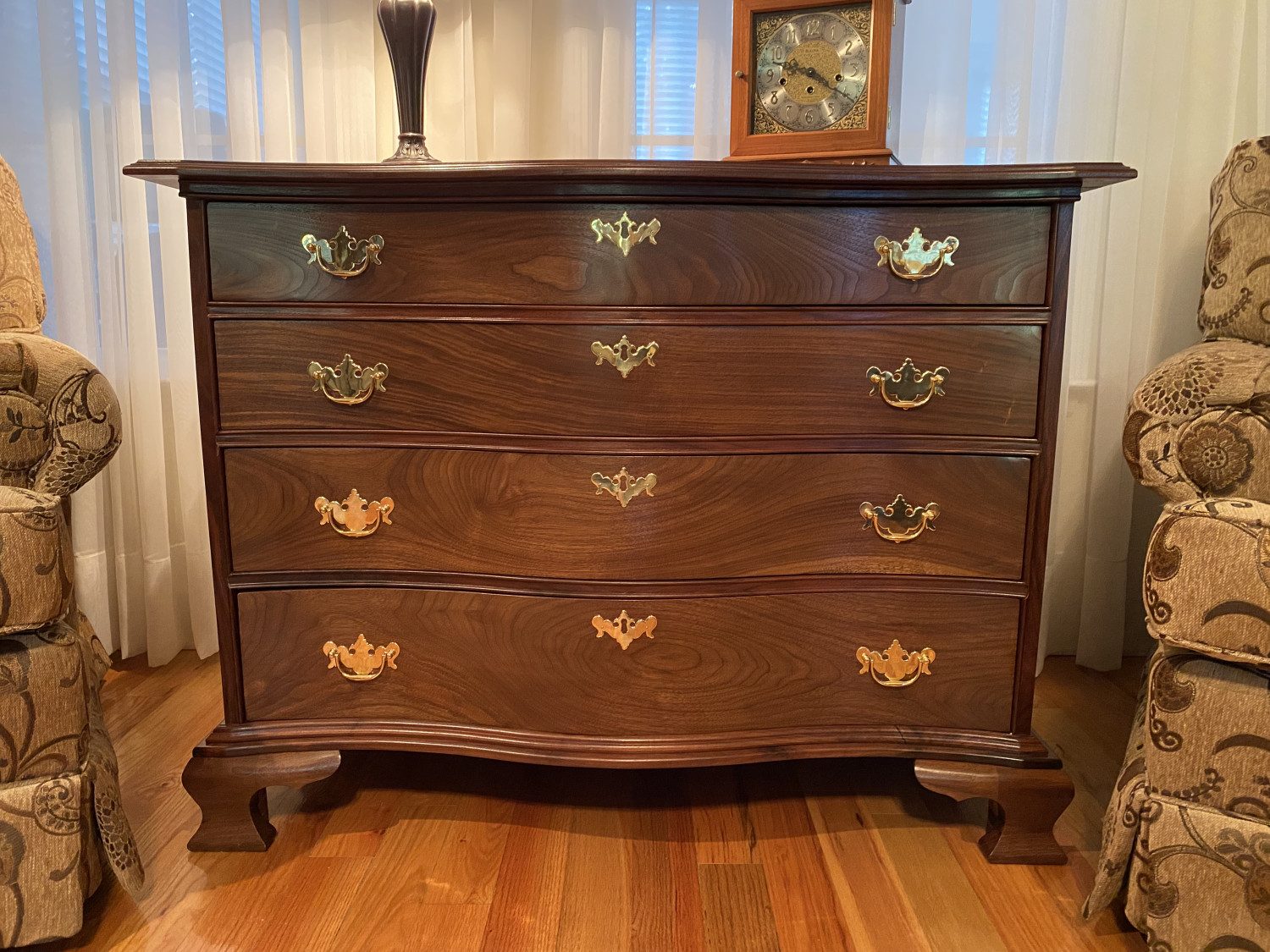
Newport Tall Case Clock by Jay StallmanFederal Sideboard by John LawrenceChippendale Corner Chair by W. EdwardsFederal Dressing Table by Matthew BrownMantel Clock by Fred StanleyFederal Sideboard by Steve BodnerArmonica by Steven LashFederal Game Table by Robert Stevenson
Jay Stallman Newport Tall Case Clock
John Lawrence Federal Sideboard
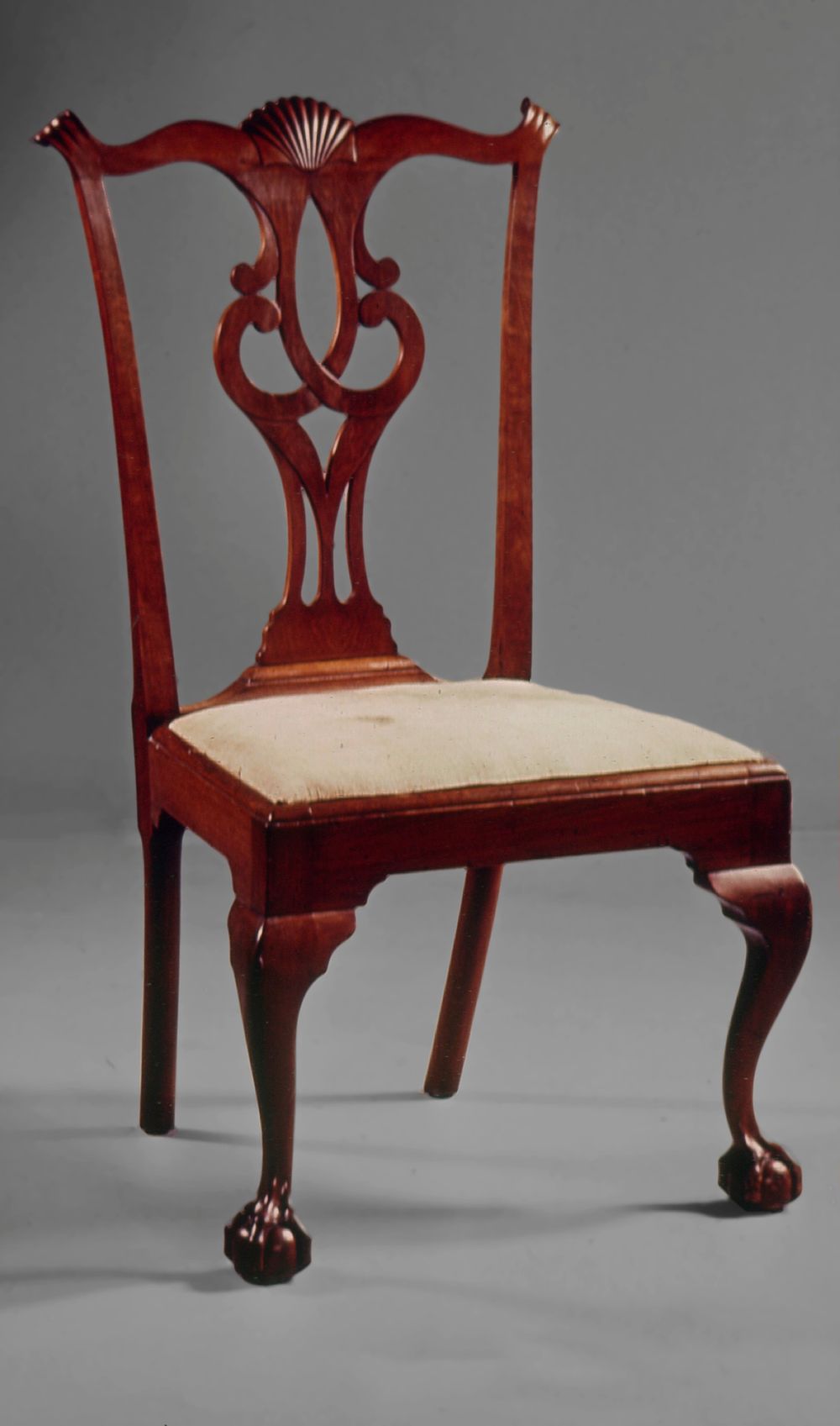
W. Edwards Chippendale Corner Chair
Matthew Brown Federal Dressing Table
Fred Stanley Mantel Clock
Steve Bodner Federal Sideboard
Steven Lash Armonica
Robert Stevenson Federal Game Table

On the bench this month

From Pins & Tales · Fall 2025

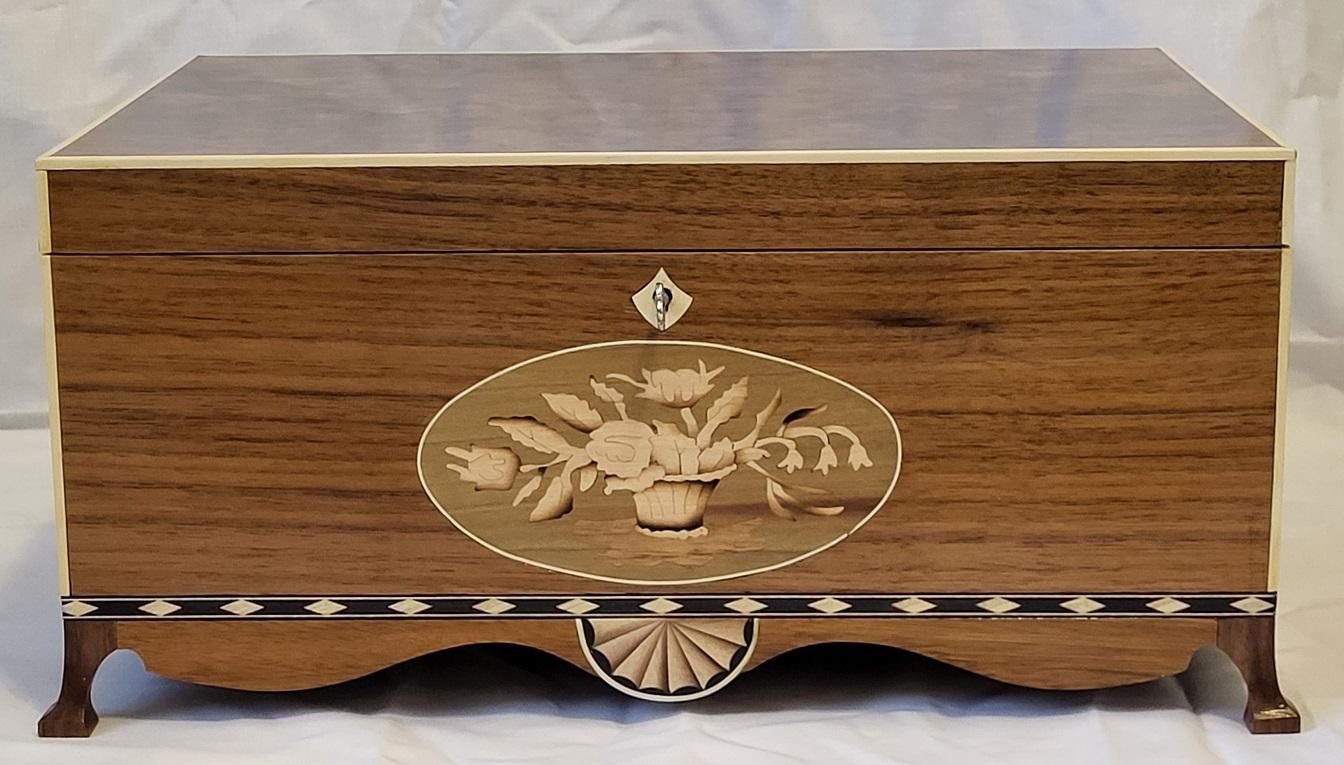
Art Deco Jewelry Cabinet
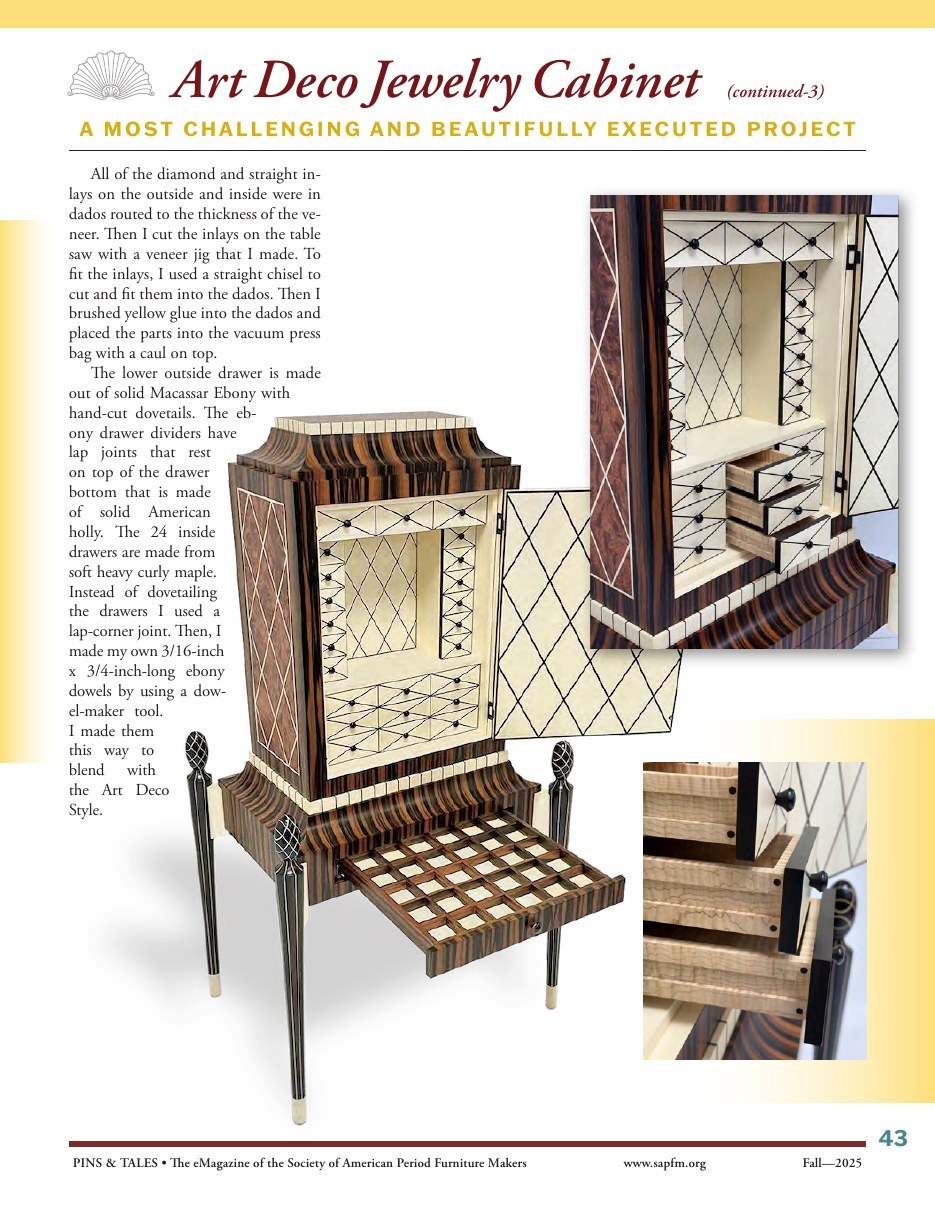
Dennis Zongker Art Deco jewelry cabinet, Macassar Ebony with American Holly inlay

Inspired by Émile-Jacques Ruhlmann, the French cabinetmaker who carried Art Deco's most rigorous version into the late 1930s. Zongker's piece pulls the same vocabulary into a working maker's shop — segmented Macassar Ebony, American Holly diamond inlay across the doors, twenty-four interior drawers in soft curly maple.

Read the article →
From the video archive

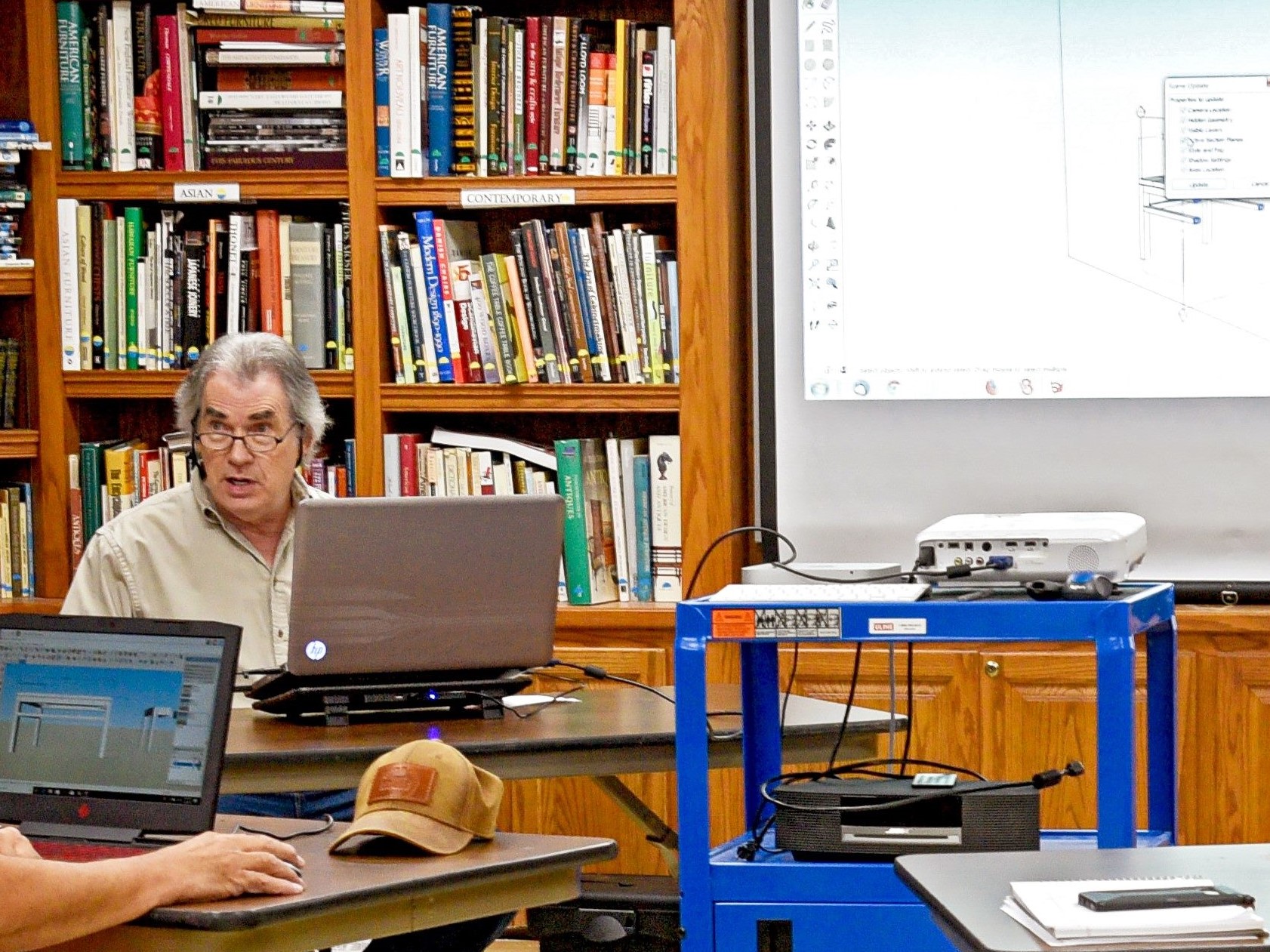
Bob Lang on drawing for the bench

Bob Lang at the SketchUp screen

One of thirty-six videos in the SAPFM archive. Chapter markers let you jump to specific demonstrations.

Watch the series →
From a chapter meeting

Peach State, last Saturday

Fifteen members, working session on hand-cut dovetails, hosted in a member's shop near Atlanta. Next meeting: June 1, joinery study group, same shop.

See what other chapters are up to →
Coming up

The next gathering.

Oct 2–5, 2026

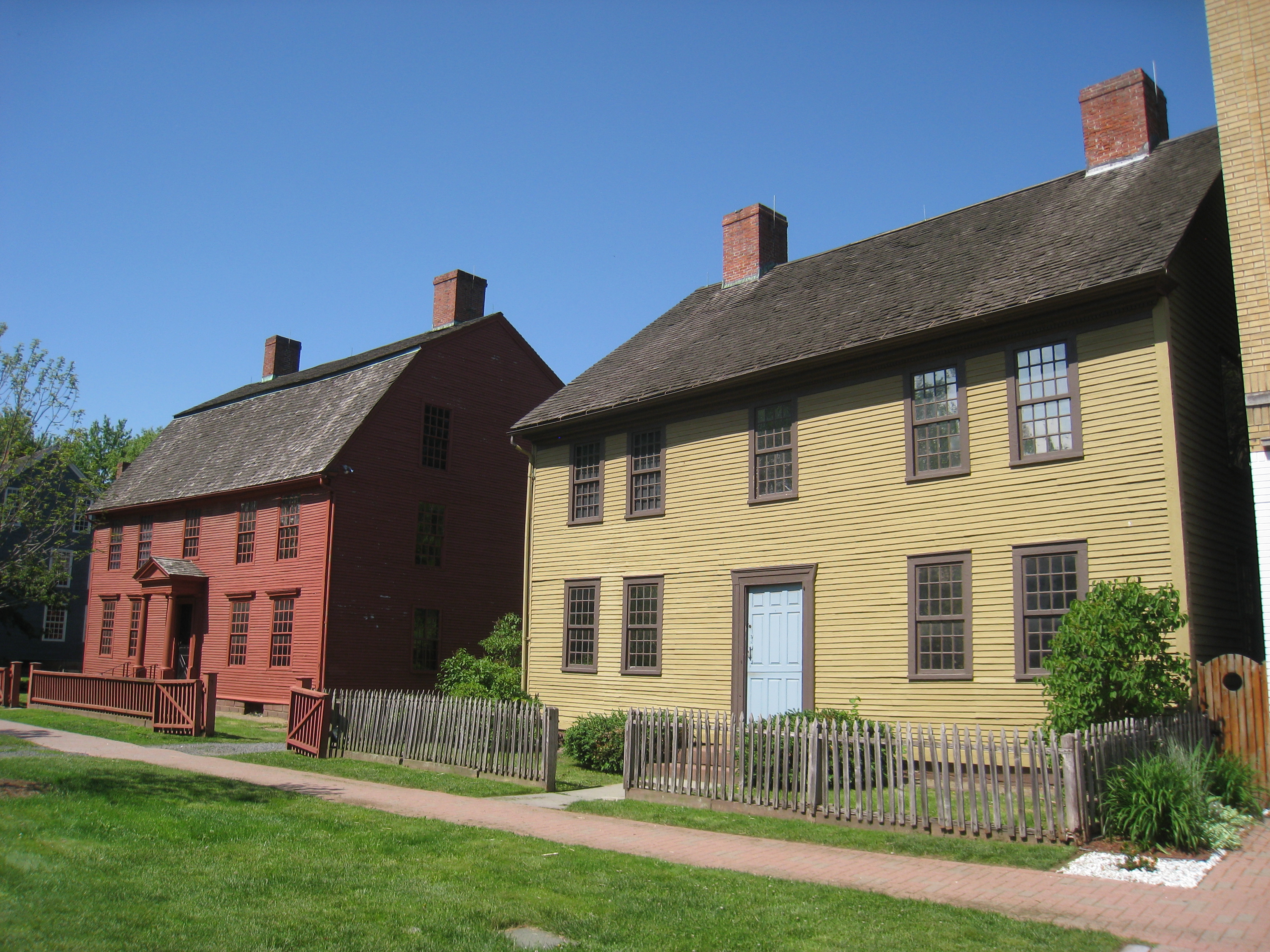
Mid-Year Conference · Connecticut Valley School of Woodworking

Four days at Bob Van Dyke's school in Manchester, CT. Bench demonstrations, member presentations, and the Cartouche Award Banquet on Friday evening. Optional tours bracket the weekend — the Yale Furniture Study with Patricia Kane on the Friday, and the Stanley Weiss Collection and John Brown House in Providence on the Monday.

Registration opens July 4. More on the conference →
Friday · Oct 2

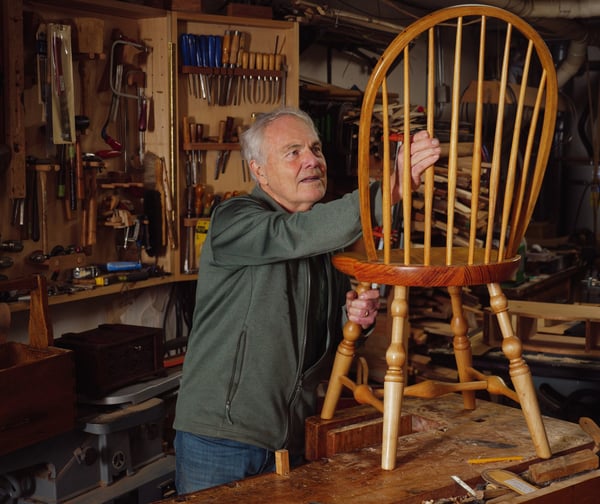
Tim Killen receives the 2026 Cartouche Award

The Cartouche Award Banquet opens the Mid-Year Conference on Friday evening. Tim Killen — life-long woodworker, teacher, and author.

Recent Cartouche Award recipients

Twenty-five years of lifetime achievement.

The Chapters

Twenty-two chapters. Through the year.

Find your chapter →
Chapter Area served
Northern New EnglandMaine · New Hampshire · Vermont
Southern New EnglandMassachusetts · Connecticut · Rhode Island
Delaware River ValleyDelaware · Pennsylvania · New Jersey
ChesapeakeMaryland · DC · Northern Virginia
TidewaterHampton Roads · coastal Virginia & North Carolina
CarolinasNorth & South Carolina
Peach StateGeorgia · Atlanta & nearby
FloridaCentral Florida · Tampa · St. Pete
Ohio River ValleyOhio · Kentucky
GatewayMissouri · St. Louis
Lone StarTexas
San Francisco Bay AreaNorthern California
ten more chapters · full directory →
Mid-Year Conference · October 2–5, 2026

Connecticut River Valley.
Yale to Providence.

Four days at the Connecticut Valley School of Woodworking in Manchester. Bench demonstrations with Bob Van Dyke, member presentations, and the Cartouche Award Banquet on Friday evening.

Optional tours bracket the weekend. Friday, a curator-led visit to the Yale Furniture Study and Yale University Art Gallery with Patricia Kane and the furniture-study staff. Monday, a full day in Providence — the Stanley Weiss Collection and the John Brown House.

Registration opens July 4. More on the conference →

Est. 1999

A note on how this started.

Two makers — Steve Lash and Mickey Callahan — sat at the same table at the Working Wood in the 18th Century conference in Williamsburg, January 1999. By the end of the year, SAPFM was incorporated. Twenty-five years on: twenty-two chapters, two journals, a national conference each year, and the quiet network underneath it all.

Read our history →

Where the work meets the people who care about it.

Come learn.

Become a Member