If you had only one word to describe SAPFM, it would be education. We exist to promote the understanding, education, and appreciation of American period furniture. There is no other organization that promotes these goals, particularly in the context of the makers' movement.
SAPFM is a volunteer-run, non-profit educational organization. We assist the furniture maker to further their craft by locating resources and individuals with specialized expertise in period furniture. Our members include professionals and hobbyists alike — not all are furniture makers. Some are furniture and tool collectors, museum curators, and historians.
There are many great resources available to gain equivalent knowledge: museums, books, and academic study. SAPFM has a unique approach: we teach by building the very furniture so many collect, admire, and study. Nothing cements understanding quite like building it.

Our mission
Our mission has remained steadfast since our founding in 1999:
- To create a forum for the understanding, education, and appreciation of American period furniture.
- To develop and encourage the use of standards and ethical practices in the reproduction and conservation of period furniture.
- To offer membership to all with an interest in period furniture.
- To assist members with the identification and location of resources, including people or organizations with specialized expertise.
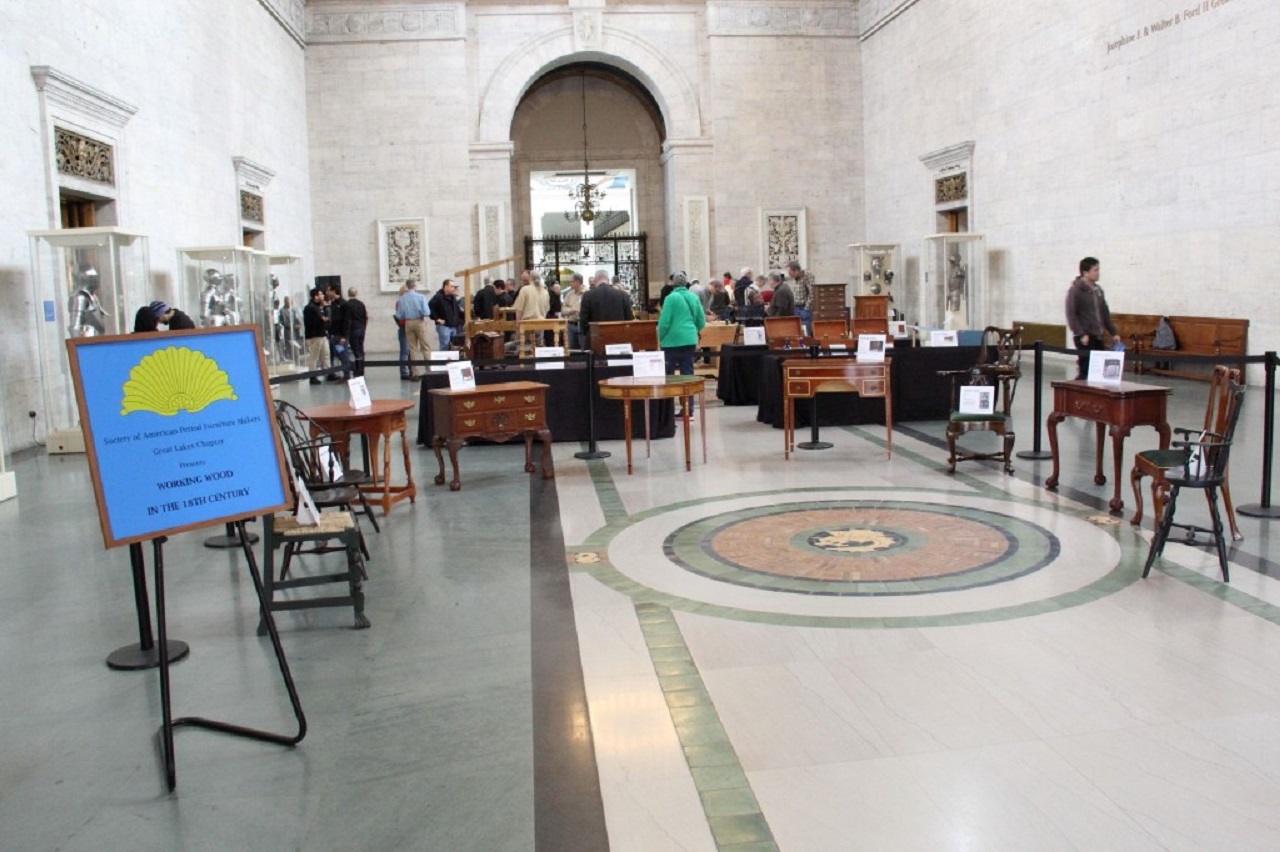
- To conduct public exhibitions for the recognition of members' work.
Why this period, and not another?
At first glance our focus appears narrow — building furniture from periods leading up to the industrial revolution. But the focus isn't really about style. It's about skill. When the machines and factories of the industrial revolution replaced highly skilled makers, much of the art was lost.
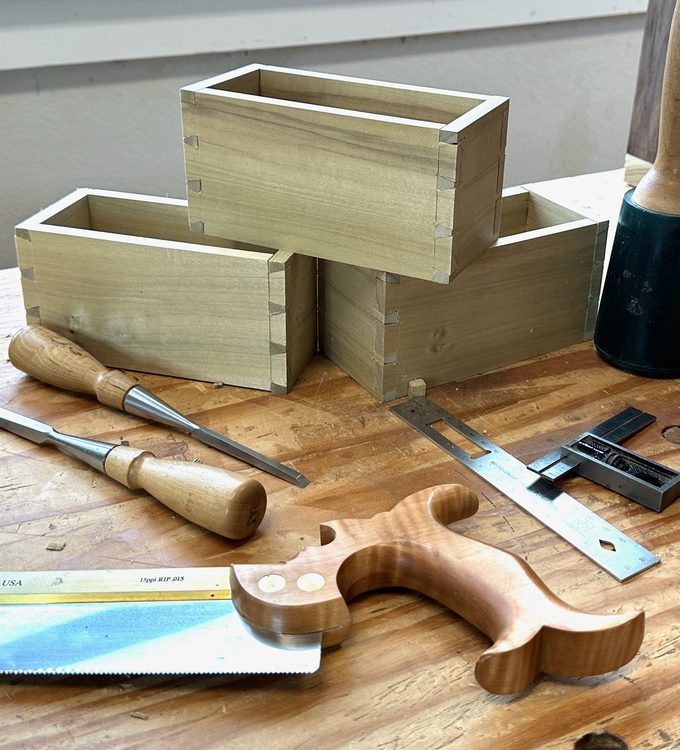
Period furniture making demands a diverse array of skills: joinery, veneering, marquetry, inlay, carving, turning, finishing, and upholstery. Though less extensively used in later periods, these skills are the basis for all furniture making. Master them, and there is nothing the maker cannot do. Like music, the foundation of classical training transcends all styles.
We realize that formal furniture is not suited for everyday life. Many of us pursue high-style furniture for the sheer challenge. But our makers also build casual furniture for their families — Craftsman, Shaker, the occasional Art Nouveau piece — and these show up at chapter meetings as exceptional examples of their respective periods.
How we do it
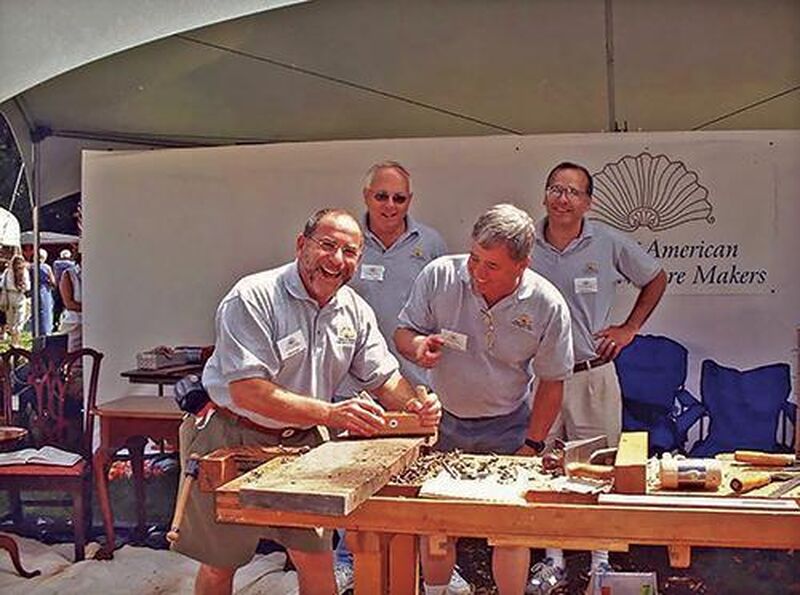
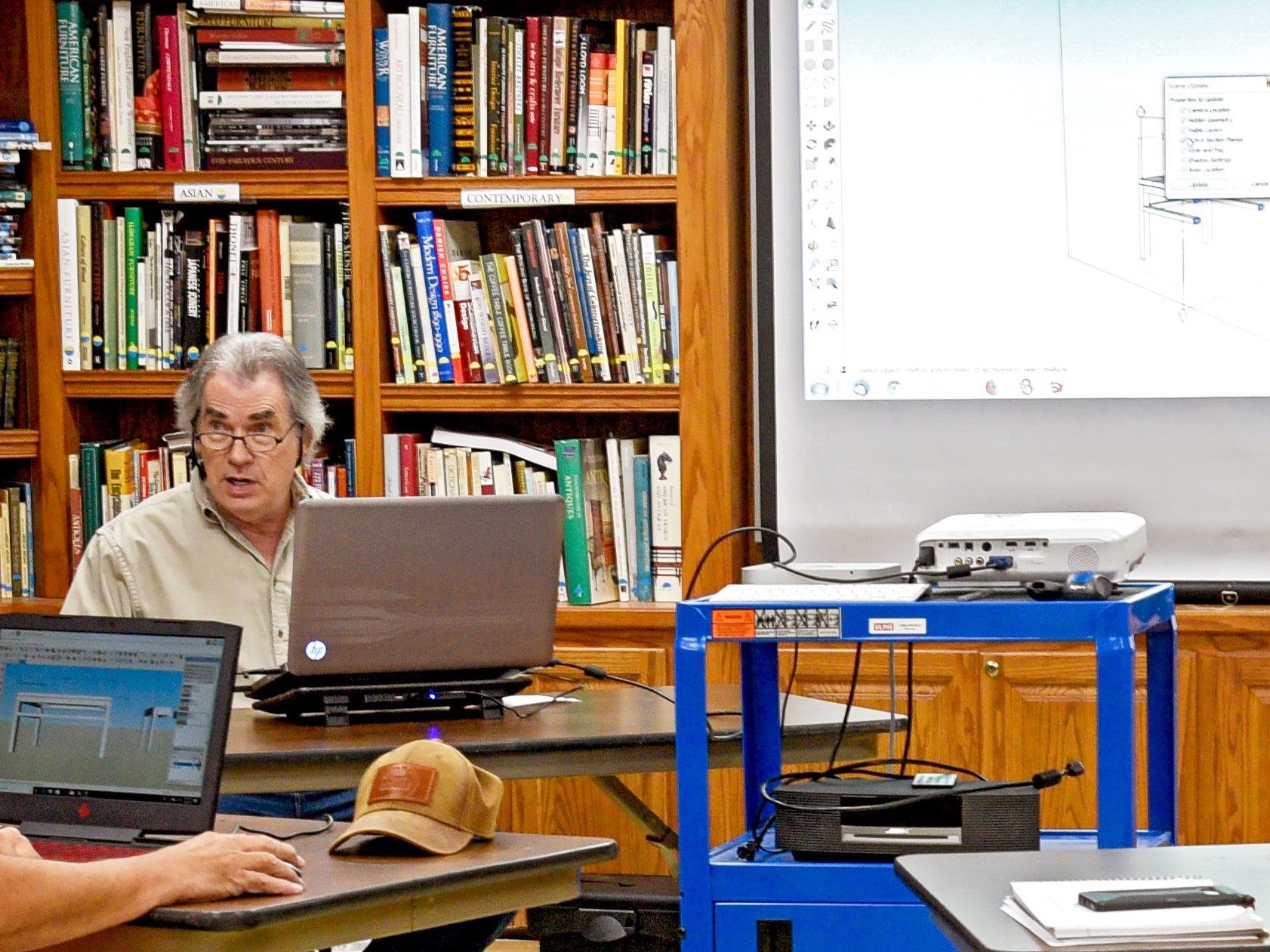
- The Annual Conference — SAPFM's national gathering, with member presentations, demonstrations, side trips, the annual meeting, and the Cartouche Award presentation.
- Local chapter events throughout the country.
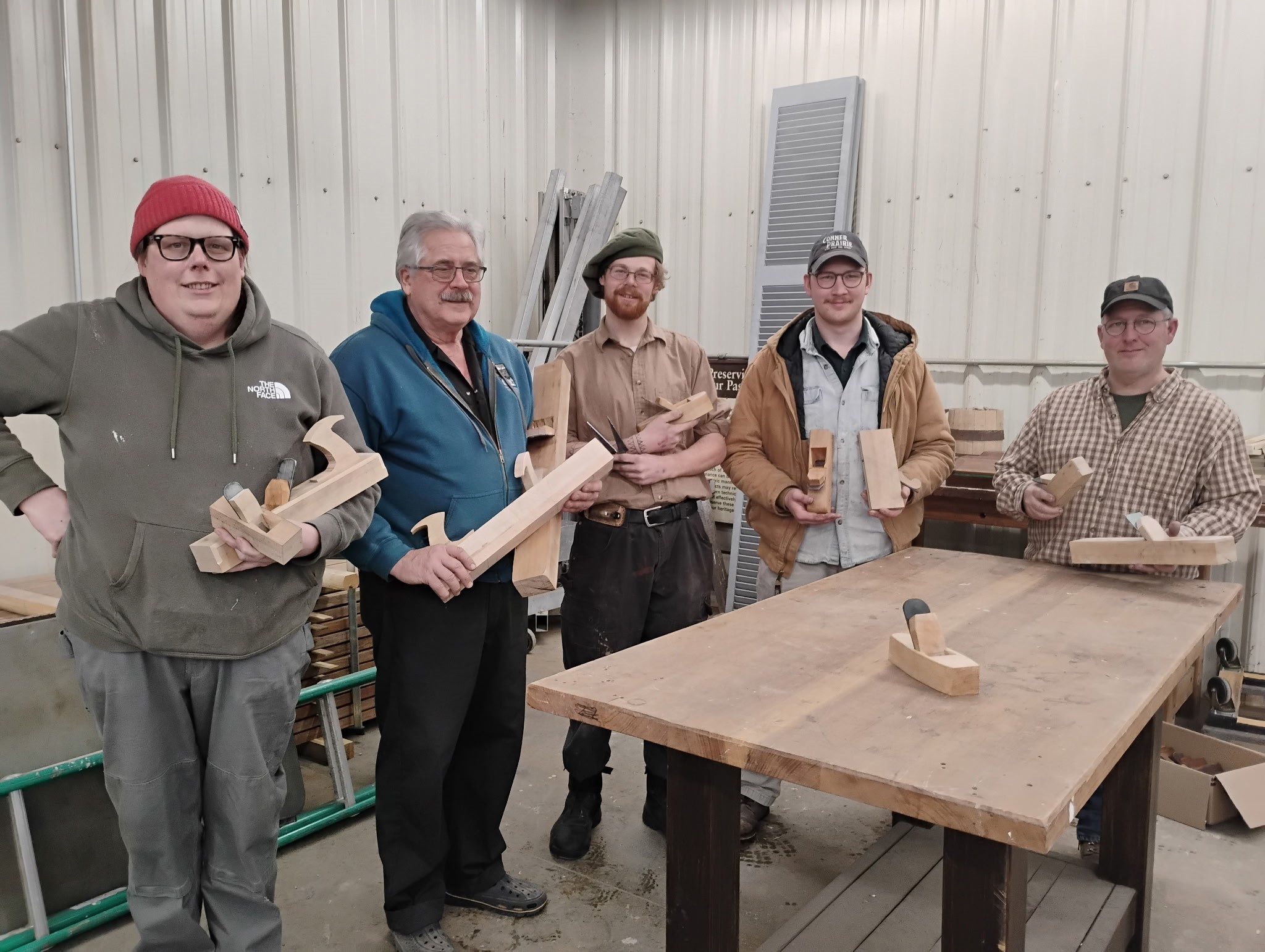
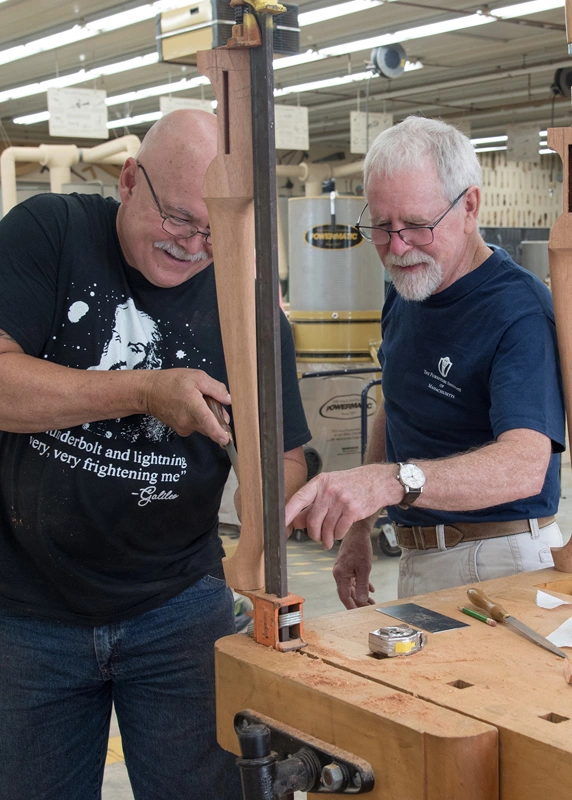
- Hands-on workshops.
- Periodicals — the annual American Period Furniture journal and the quarterly Pins & Tales magazine.
- Online resources — the website, the community forum, social media.
- Member exhibits and the website gallery showcasing member-built pieces.
- Joint programs with museums — Colonial Williamsburg, Winterthur, MESDA, the Telfair Museum.
- The Cartouche Award — annual lifetime-achievement recognition for outstanding furniture makers.
- Editorial contributions to Fine Woodworking, Popular Woodworking, and other publications.
- Members teaching at woodworking schools throughout the country.
- Educational grants.
How we started
Compared to the periods of furniture we build, SAPFM is much younger. The organization was founded in 1999 when a small group of like-minded makers met at a Colonial Williamsburg conference and decided the craft deserved a society of its own. Read the full story →